Artist Steve Roth Paints the Strategy of Living With Disability

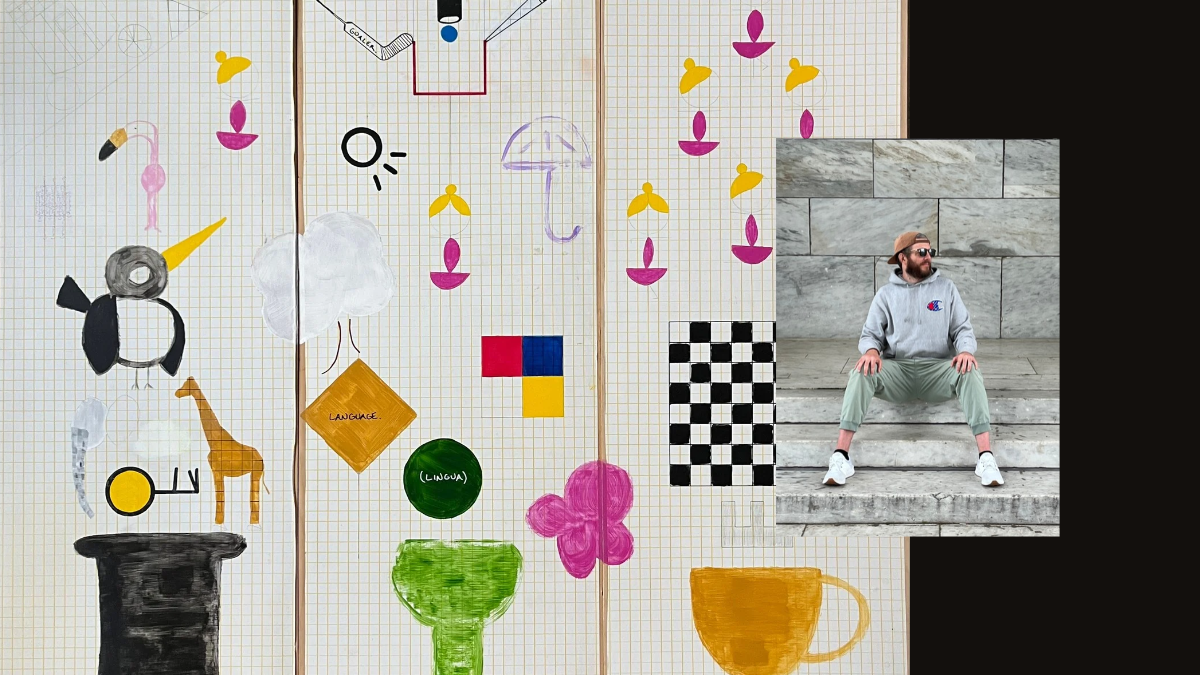

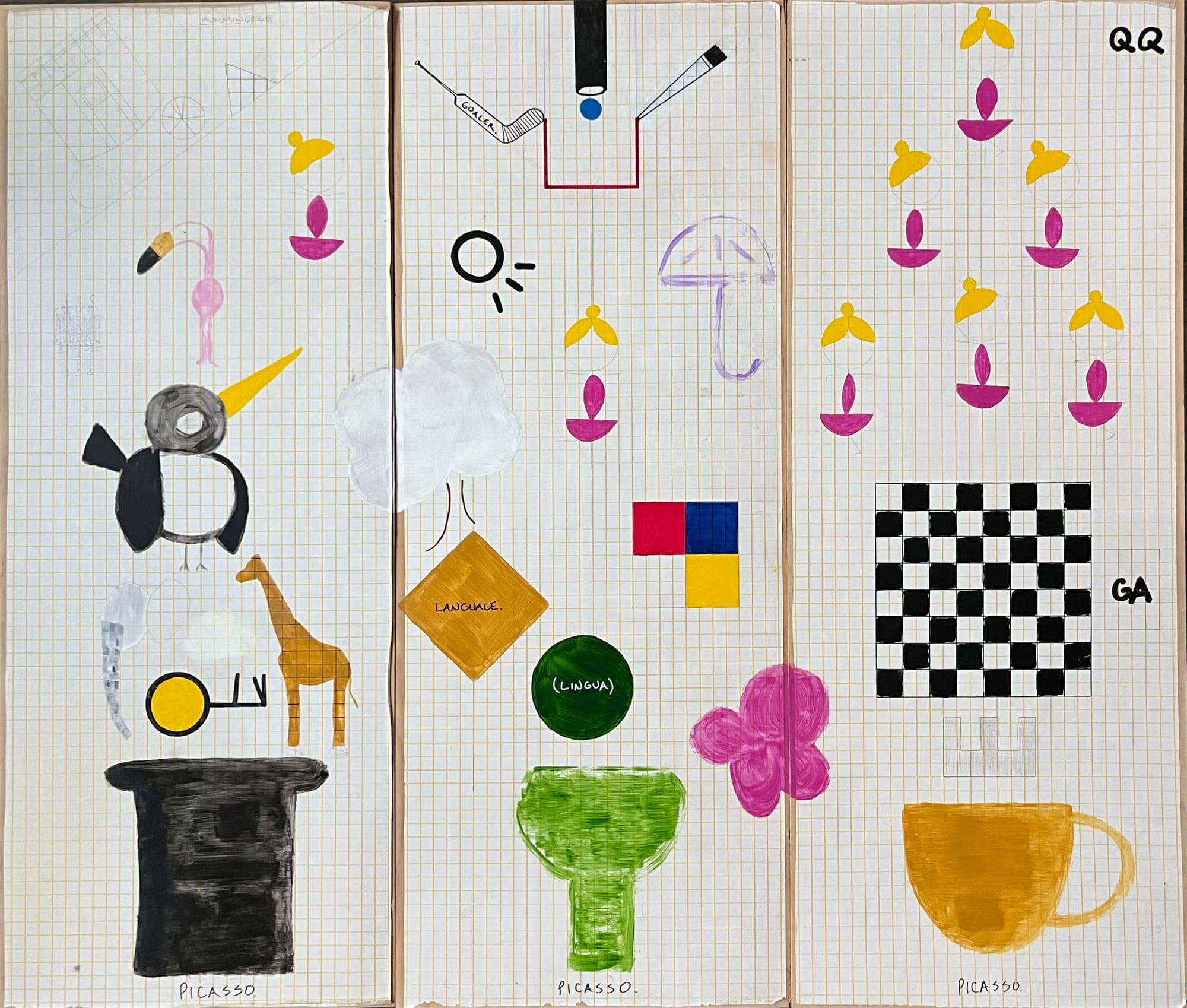
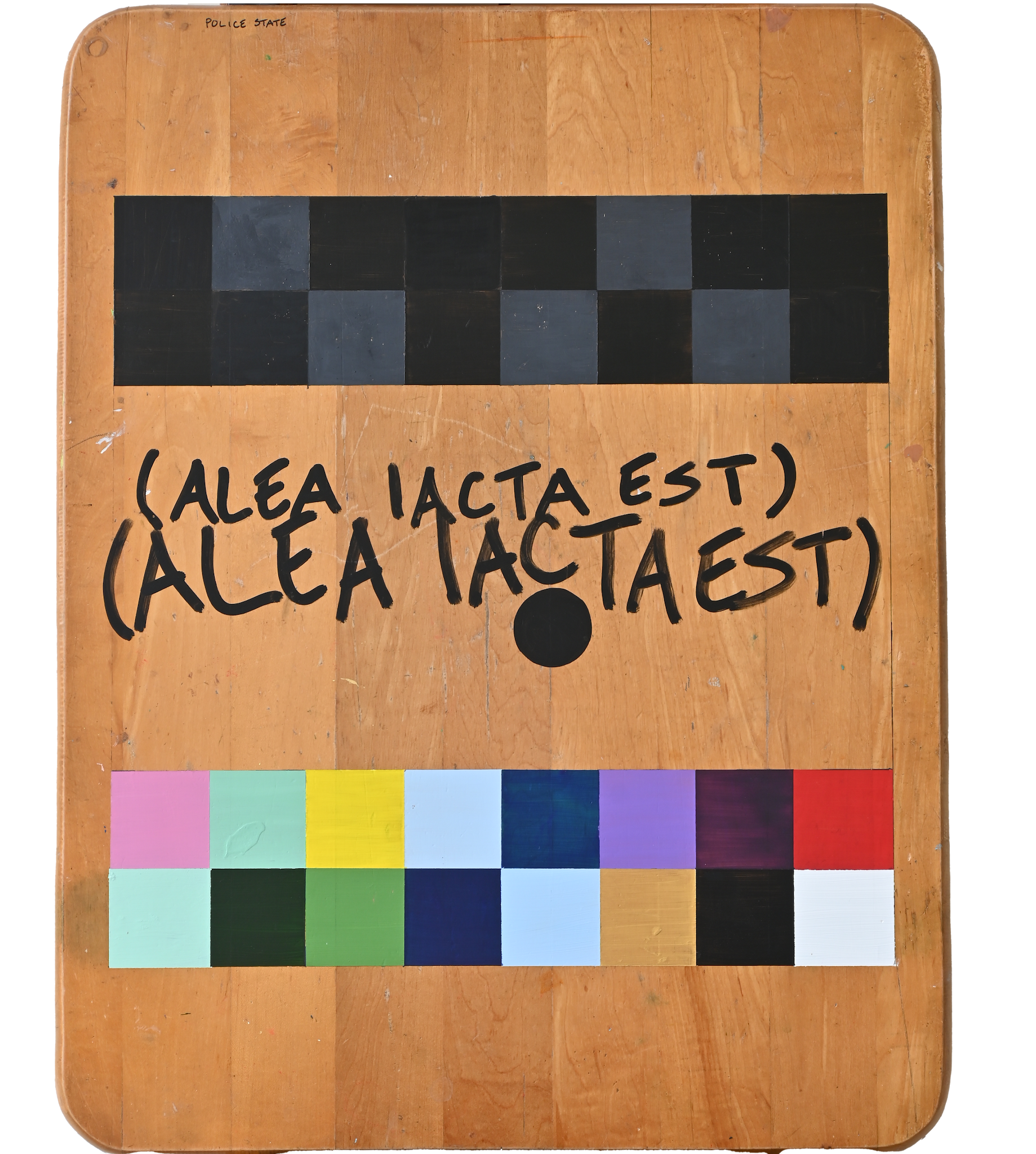
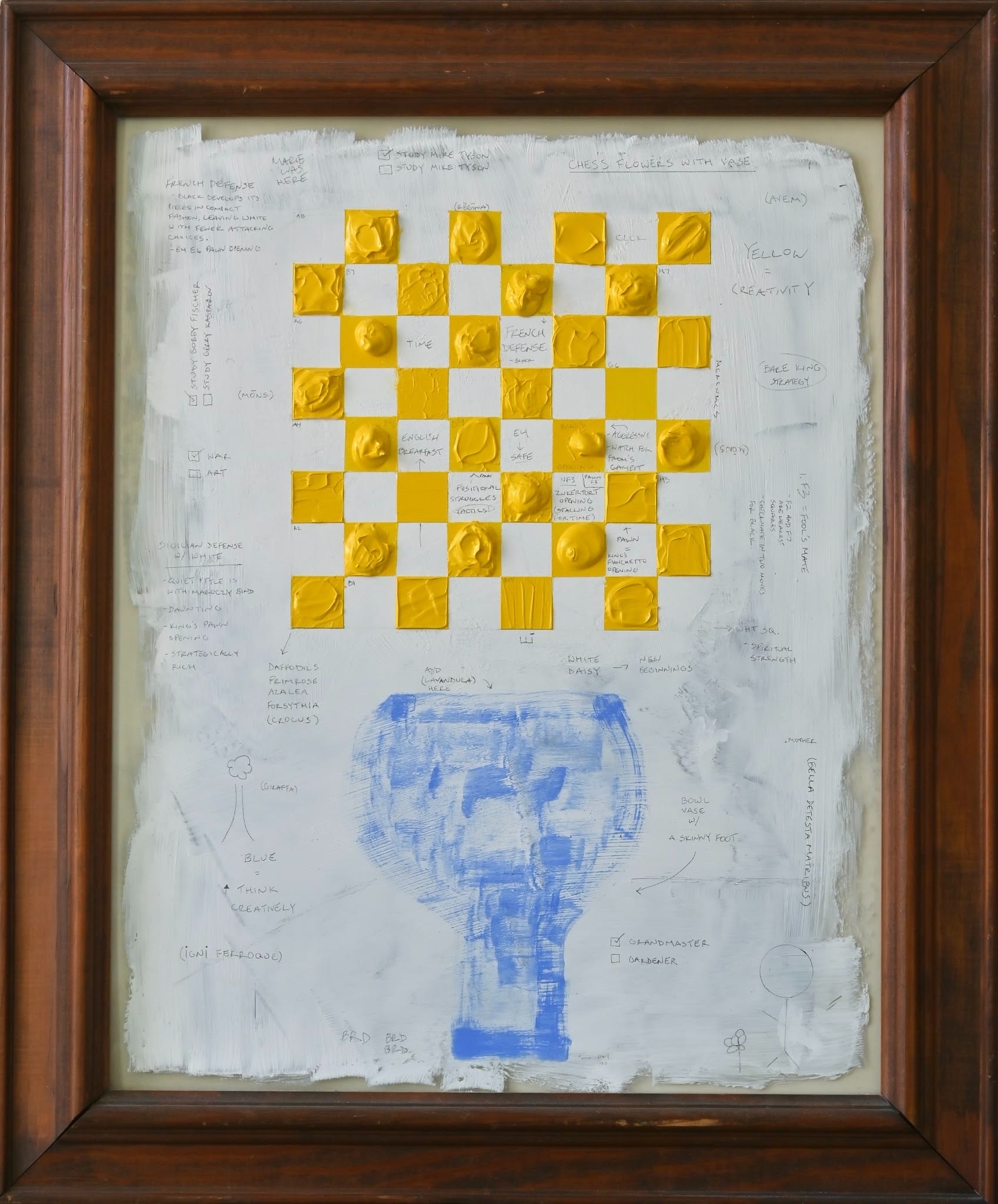
PROVIDENCE, R.I. – Steve Roth paints the moves people make to keep going. His acrylic murals borrow from game theory, ballet and language to show how a person adapts, negotiates and finds unexpected strategies as their body changes.
Steve is Deaf and lives with Charcot-Marie-Tooth disease (CMT), an inherited condition that damages the nerves in the arms and legs, causing muscle weakness and loss of sensation that worsen over time. “My disability is both a subject and a lens through which I create,” he told Artisan Joy.
In his interview, Steve shares how he started his business with a single leap of faith, the ballet he’s developing and why the time it takes to create is part of the art.
Tell us about your art.
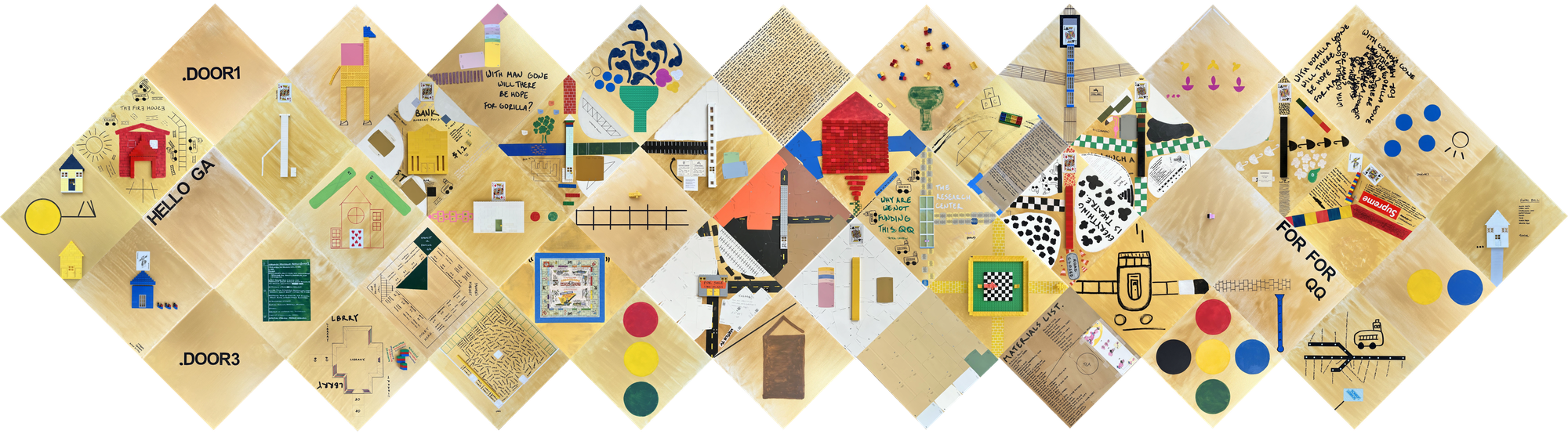
I paint acrylic murals that explore the challenges and complexity of navigating life with progressive disability. My work draws on game theory as a framework for understanding decision-making, adaptation, and the constant negotiations involved in navigating life with a changing body. I also combine language, familiar motifs and ballet concepts to explore the tension between physical aspirations and physical limitations. These seemingly different elements come together to create a visual language that communicates the challenges, contradictions, and unexpected strategies and living with disability.
How did you become interested in this work?
I've always felt called to do this work, as if a spotlight was waiting for me. It took a lifetime of experiences and personal trauma to find my way here and discover how to alchemize everything into art.
What did starting your business actually entail?
Starting my business meant taking a leap of faith. Just days after experiencing a trauma, I pushed myself to complete an entire mural. No prior experience, no practice, no warm-up, just straight to the canvas. It was an act of determination, necessity and transformation. I figured it out as I went.
Where did your first customers come from?
Friends and family.
How has your disability shaped your creative work?
My disability is both a subject and a lens through which I create. It has changed how I experience the world, and those changes reflect on the canvas.

What are you working on now?
I am currently working on a ballet-inspired piece that explores the intersection of grace and struggle, which is the fight of living with progressive disability. I am also developing a ballet that brings these themes to life through movement and storytelling.
What’s something about running a creative business you wish more people understood?
Creating takes time. It can't be rushed, and that time is part of the art.
What’s the most useful piece of advice you’d give to someone just starting their creative business?
Stick to what makes you authentic.
What brings you joy outside of your work?
The simple things: friends, family, the beach, sitting outside with a good cup of tea, music, and a good crossword.
Thanks, Steve! You can learn more about his work at stevepaint.com.
Editor’s note: This interview has been edited for length and clarity.

This article is part of a series, Artisan Joy: Empowered by Craft, which celebrates Rhode Island makers with disabilities who earn all or part of their income from their art or craft. Funding provided in part by a grant from the Rhode Island State Council on the Arts, through an appropriation by the Rhode Island General Assembly, a grant from the National Endowment for the Arts and private funders.