Made With Intention: Meet Janise Nieves, the Artisan Behind Softly Knotted

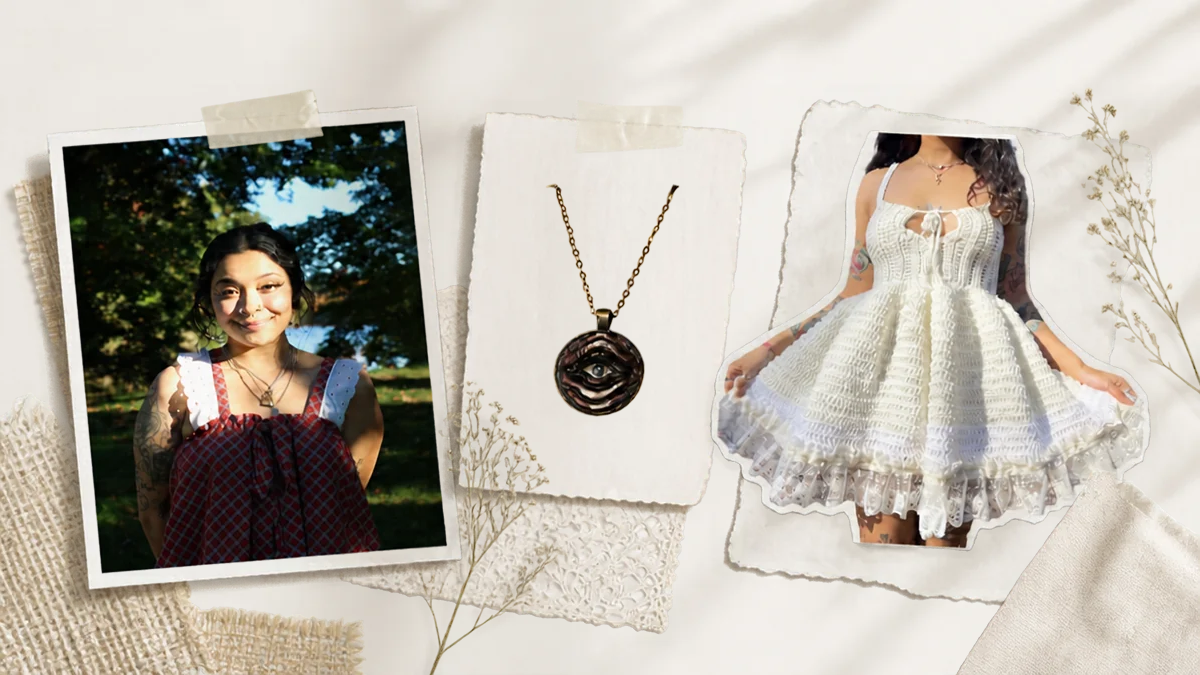
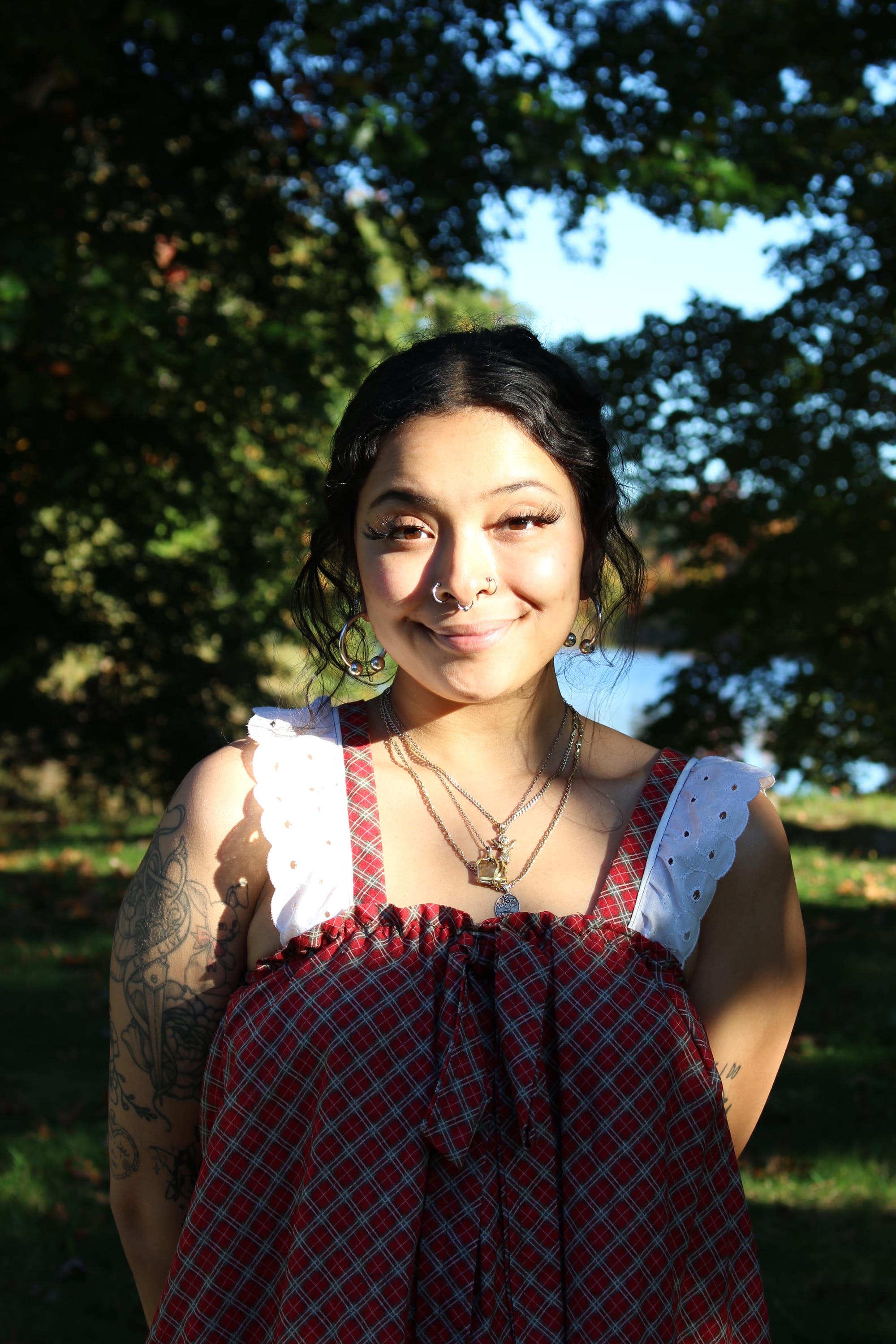
WARWICK, R.I. – Janise Nieves creates wearable art meant to last generations. Each crochet garment, necklace and accessory from their business, Softly Knotted, is first worked out on paper, sometimes down to the math, so it can be passed down like an heirloom.
Janise lives with hypermobile Ehlers-Danlos syndrome, a genetic connective tissue disorder that causes loose, unstable joints and chronic pain.
In their interview with Artisan Joy, Janise shares more about their art, what led them to start a creative business and the power of community.
Tell us about your craft.
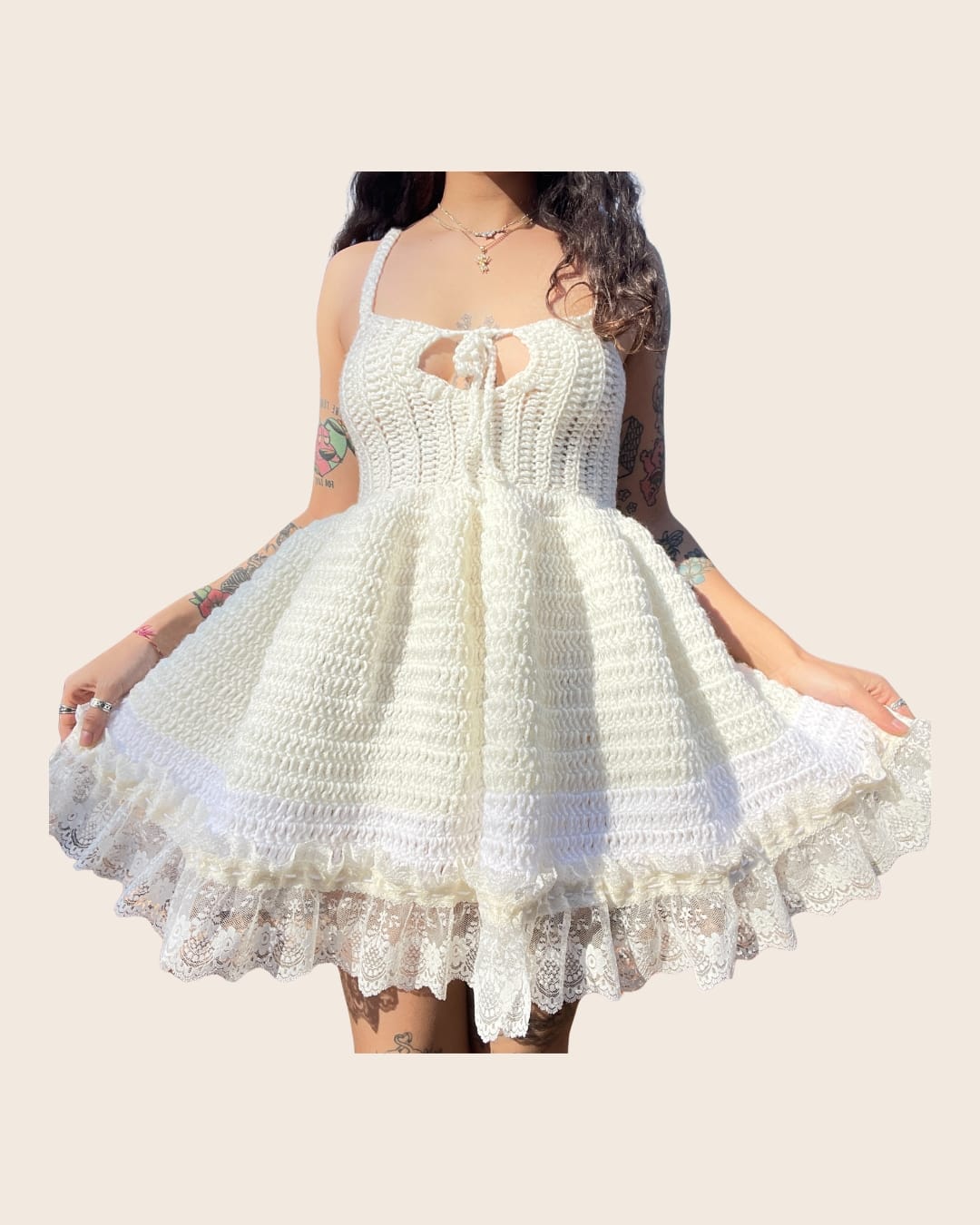
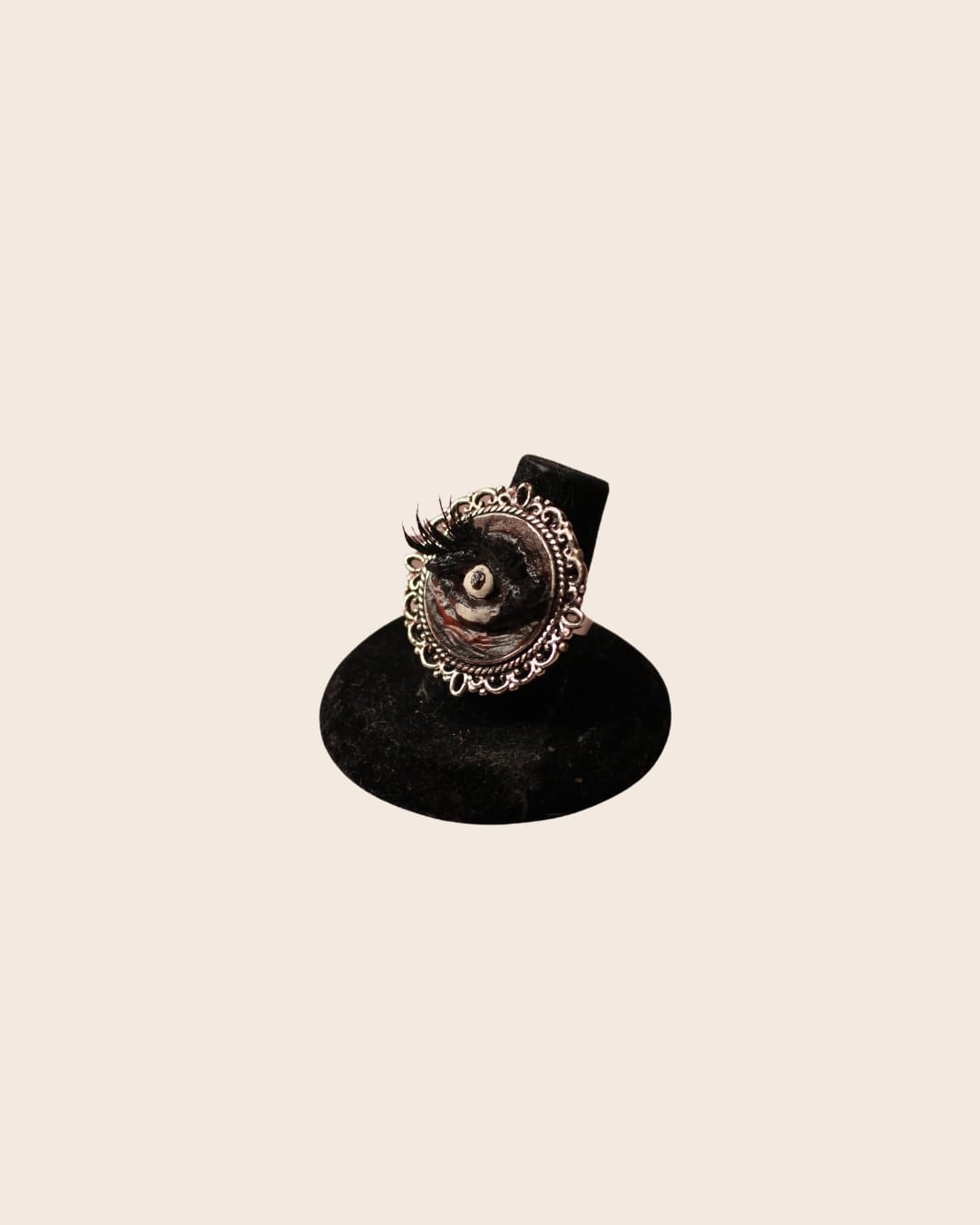
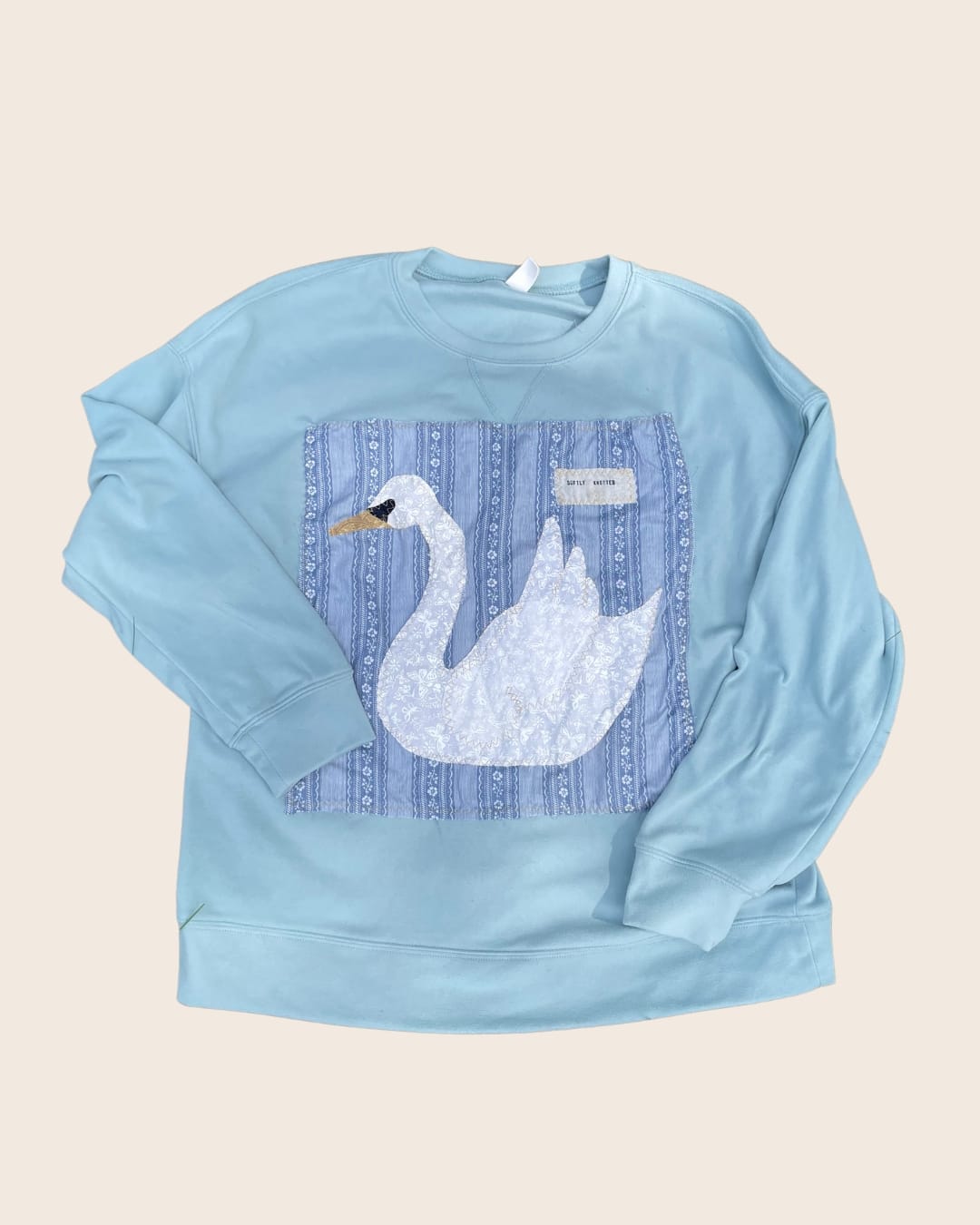
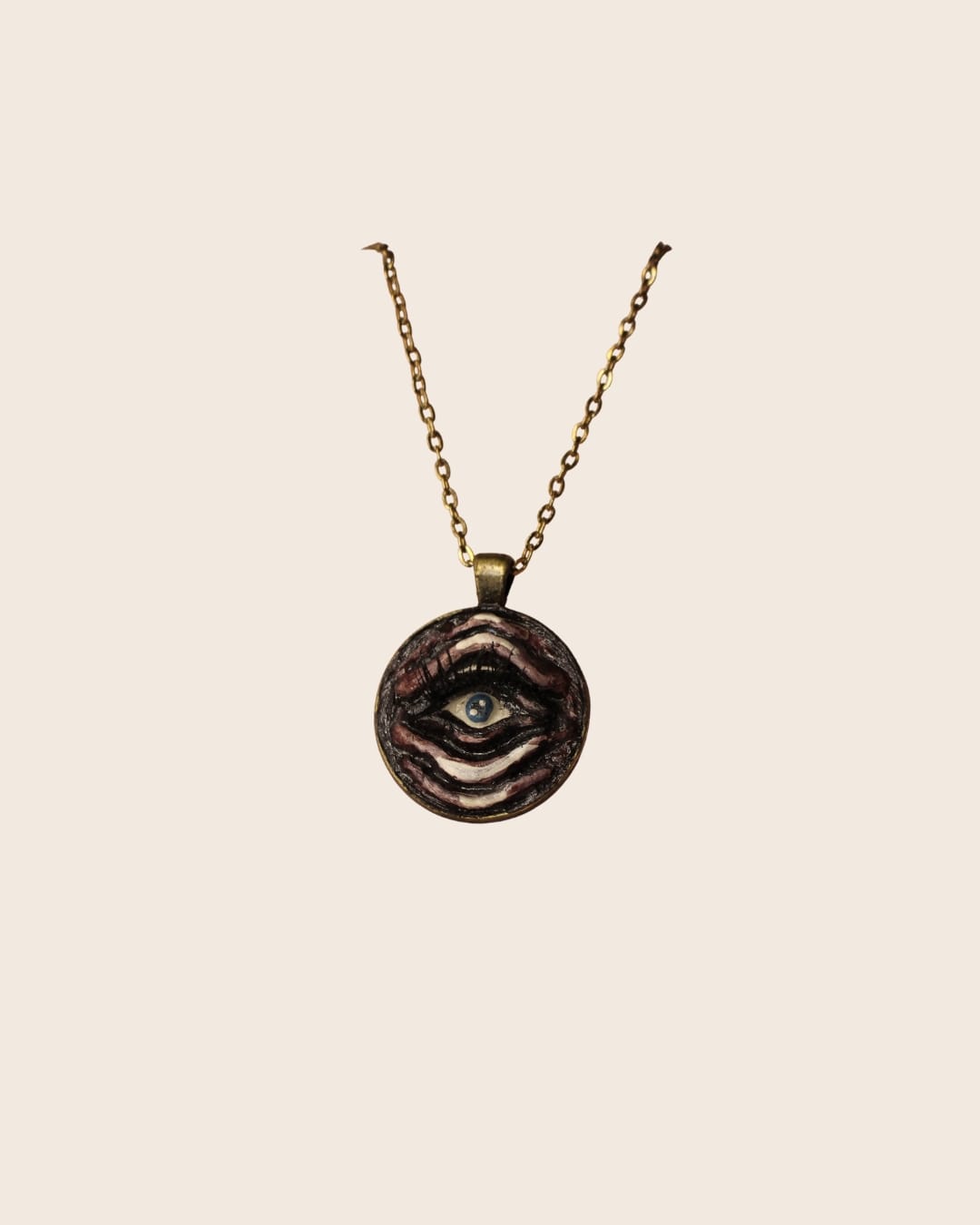
I create wearable art in the realm of clothing, jewelry, and accessories. I also design crochet patterns, templates and instructions for making your own crochet pieces. I take a multimedia, multidimensional approach, considering not just how to make the piece, but what will sustain it over time. Softly Knotted pieces, with proper care (all pieces come with care instructions), are designed and created to outlive the wearer and be passed down from generation to generation, through an intentional process of design and structure, including mathematics, to create long-lasting staple pieces.
Even my crochet-pattern designs are designed to keep wear and tear in mind for the user. I also use pictures, diagrams, graphs, and large lettering for accessibility. I often construct my physical pieces with care, then translate them to paper, where I draw out my ideas and calculate the final piece and its details. Then, I create the piece with my hands and tools until I am satisfied. I cut and sew fabric, bend and manipulate metal, shape clay, and really, I just do what makes me feel happy and proud to create (which is why I create so many different things).
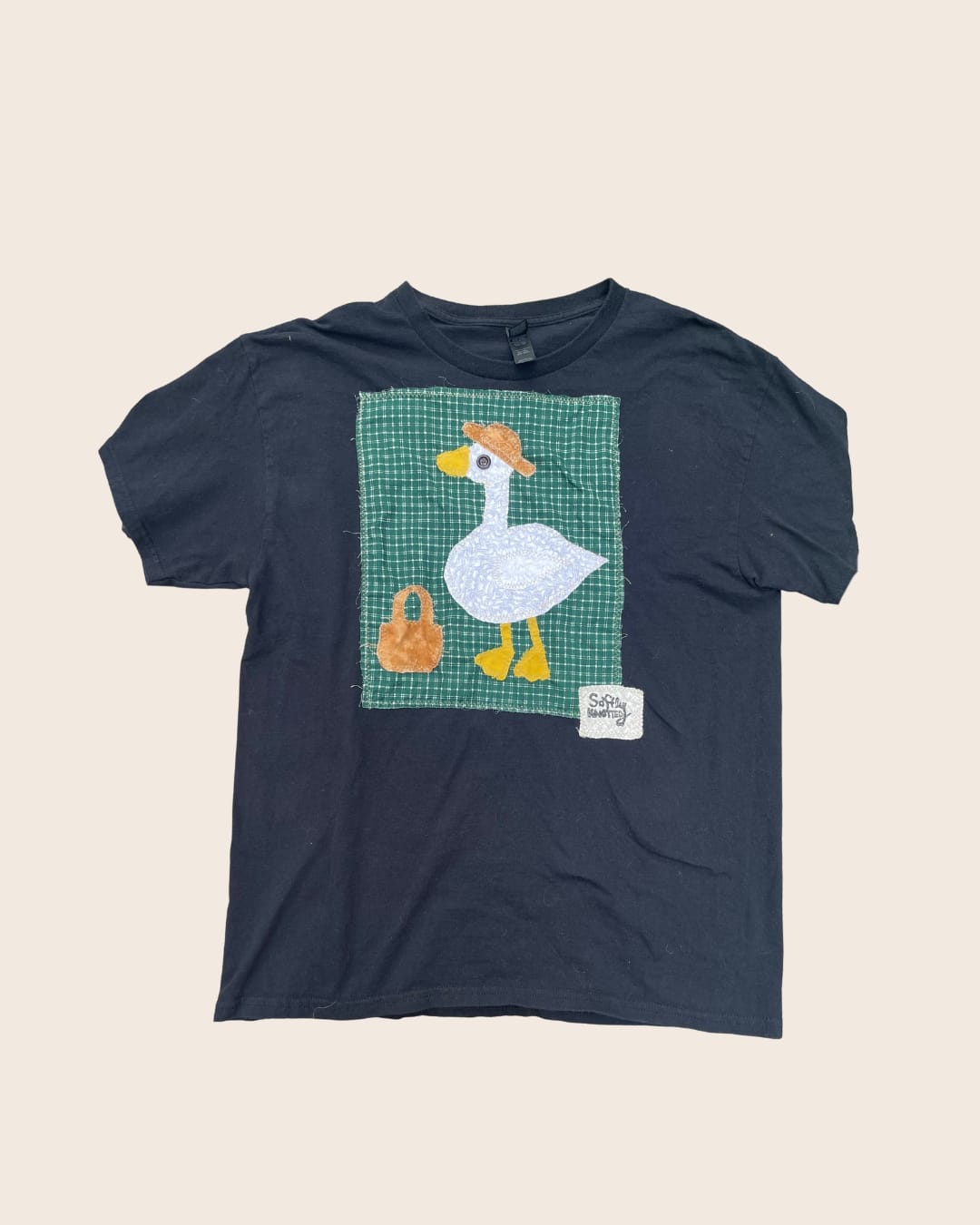
All Softly Knotted garments, jewelry, and accessories, whether they are created or sewn from scratch or upcycled from existing pieces, are made with intention: keeping the way pieces drape on the body in mind, how the pieces move with movement from the wearer, and how to secure the structural components to last a lifetime.
How did you become interested in this work?
I have always been an artist; as a child, I used to have "design books" and create clothing designs on models that I drew. I used to sculpt miniatures and little things for my toys, and I always loved to experiment with beads and cords. I never actually thought my dream would become a reality; it is beautiful that what I considered playtime as a child ended up becoming a key part of my professional adult life. Making art never feels like work; it feels like play, and you should never stop finding joy in life and time to play, no matter how old you get.
From a seven-year-old with a composition notebook filled with what could be called scribbles at best, to being twenty-seven with six published patterns, featured on runways and in fashion shows, and selling my art to people who find joy in it, too. My dreams have evolved from the page of a notebook to this novel of a lifetime. My art isn't just my work; it is my life.
What did starting your business actually entail?
Starting a business came as soon as selling the pieces became a thing. That said, I was ready to have an online storefront and do in-person markets about two years after I started Softly Knotted, and that came with a lot of intentional thought about the purpose of this business and why I wanted to do it. I ultimately decided that being human was more important than being a machine to my own craft, especially as a disabled artist.
I went from being chronically ill to disabled around the same time, and that became a crucial part of my decision-making as an artist and business owner. Sustainability is not just using cottons or recycled metals, but also sustaining the work behind the art: intentional processes and releases, quality over quantity, rest over burnout, self-care over self-sabotage. I have never wanted to strain my relationship with my art by burning myself out with it. I see this all the time with artists. We always want to be better than ourselves; we always want to outdo what we did, but why not appreciate the process and how you got there? Sometimes, that is more valuable than the piece itself. I source materials that I like, not what I think would sell (of course that is important, but not the overall goal). I also source materials from secondhand and thrift shops, and if I must buy something new, I will go out of my way to buy from a local store to feed our local economy rather than feed a national monopoly.
On paper, using spreadsheet apps to calculate my pricing helped a lot and gave me visuals to outline prices I find fair to my customers and me. This also helps with doing equal trades and barters, as we can trade value for value.
Where did your first customers come from?
My first customers were my community members! I would share art with my community, and I would garner interest from those who wanted to purchase. Sometimes it wasn't a family member or close friend, but a professor at my college, a friend of a friend, or a lady I met randomly; they were already around me.
How have your community and values shaped your business?
As previously mentioned, I became disabled while I've been running Softly Knotted. There were times when I thought about giving up and stopping art altogether, but that would be surrendering my life altogether; and do you know who taught me that? My community. My community showed up for me: other vendors, other artists, friends, acquaintances, co-workers, just overall, my community members.
This is why community matters, not for networking, but for genuinely connecting. Real artists buy from other artists. Real artists show up for other artists. I learned so much from other disabled artists who reminded me that doing joy and doing it at your pace is okay, and it's okay if that's not profitable. Your life and art are worth more than anything money could buy, because you cannot buy joy; you experience it.
How has your disability shaped your creative work?
It has forced me to really reflect on work and value, such as my output of work is not tied to my value as a person. Even if I make bad art, I am a better artist for it because the process and how I got to the result is sometimes more important than the result itself. As a self-taught artist, I learned a lot this way. I've made a lot of artistic mistakes along the way, but they've shaped my skills.
Disability has made me slow down and adapt my skills, and listen to my body and needs. In a lot of ways, I feel more in tune with my body and artistic process. Every day I can use my hands is a joy in itself; every time I can do complex work with my hands is something I do not take for granted. Every time I can make art, I am just so happy I can make art.
What are you working on now?
I'm in a jewelry and wire-wrapping era! Especially with winter coming, the cool metals and stones just glistening in the sun! I love crystal hunting and supporting the shops my friends own. It's a reminder that there is still warmth all around us, just in different ways.
What's something about running a creative business you wish more people understood?
There is a person behind the screen, behind the order number, behind the name. There is often just one person working the whole show, so please be patient and kind.
What's the most useful piece of advice you'd give to someone just starting their creative business?
Don't compromise your values or prices for a quick buck; not all money is good money, and not all attention is good attention.
What brings you joy outside of your work?
Animals! Love! Board and card games, good food, live music, sharing meals with cool people, and advocating!
Thanks, Janise! You can learn more about their work at www.etsy.com/shop/SoftlyKnotted.
Editor’s note: This interview has been edited for length and clarity.

📖 Enjoyed this story? Artisan Joy is a nonprofit magazine that tells the true stories of creative entrepreneurs turning their craft into a business. Click here to join us for free, and we’ll send you our 3 most popular articles.