Meet the Makers Behind Puppets for Nike, CNN and More

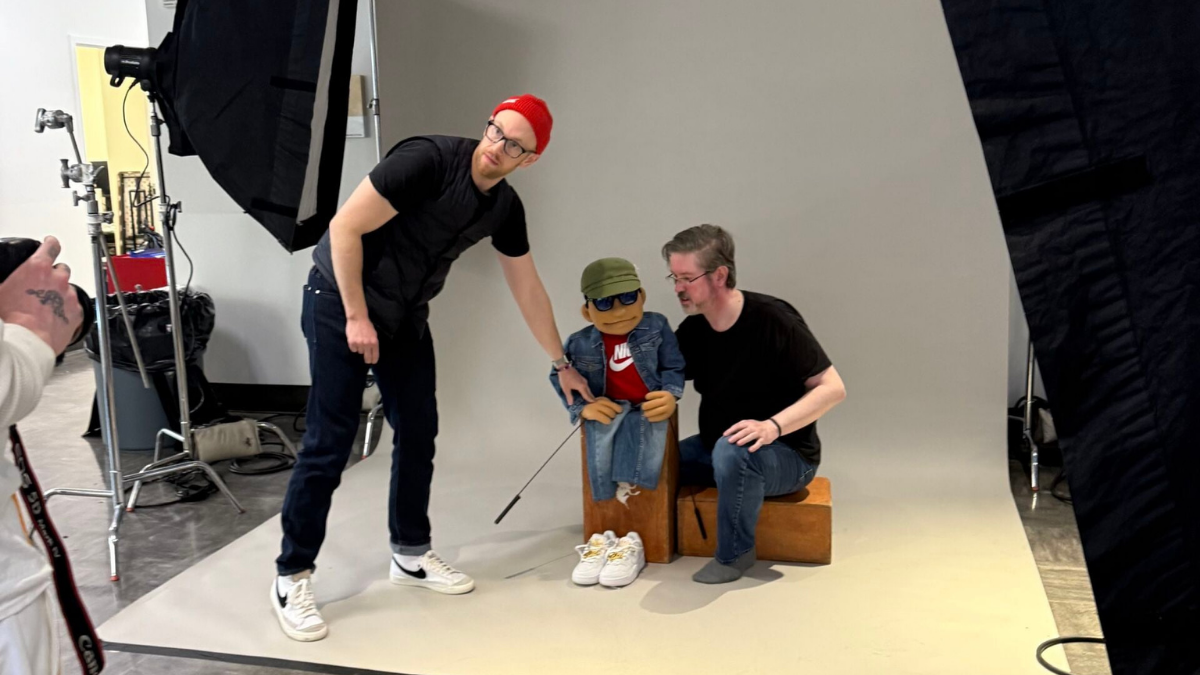
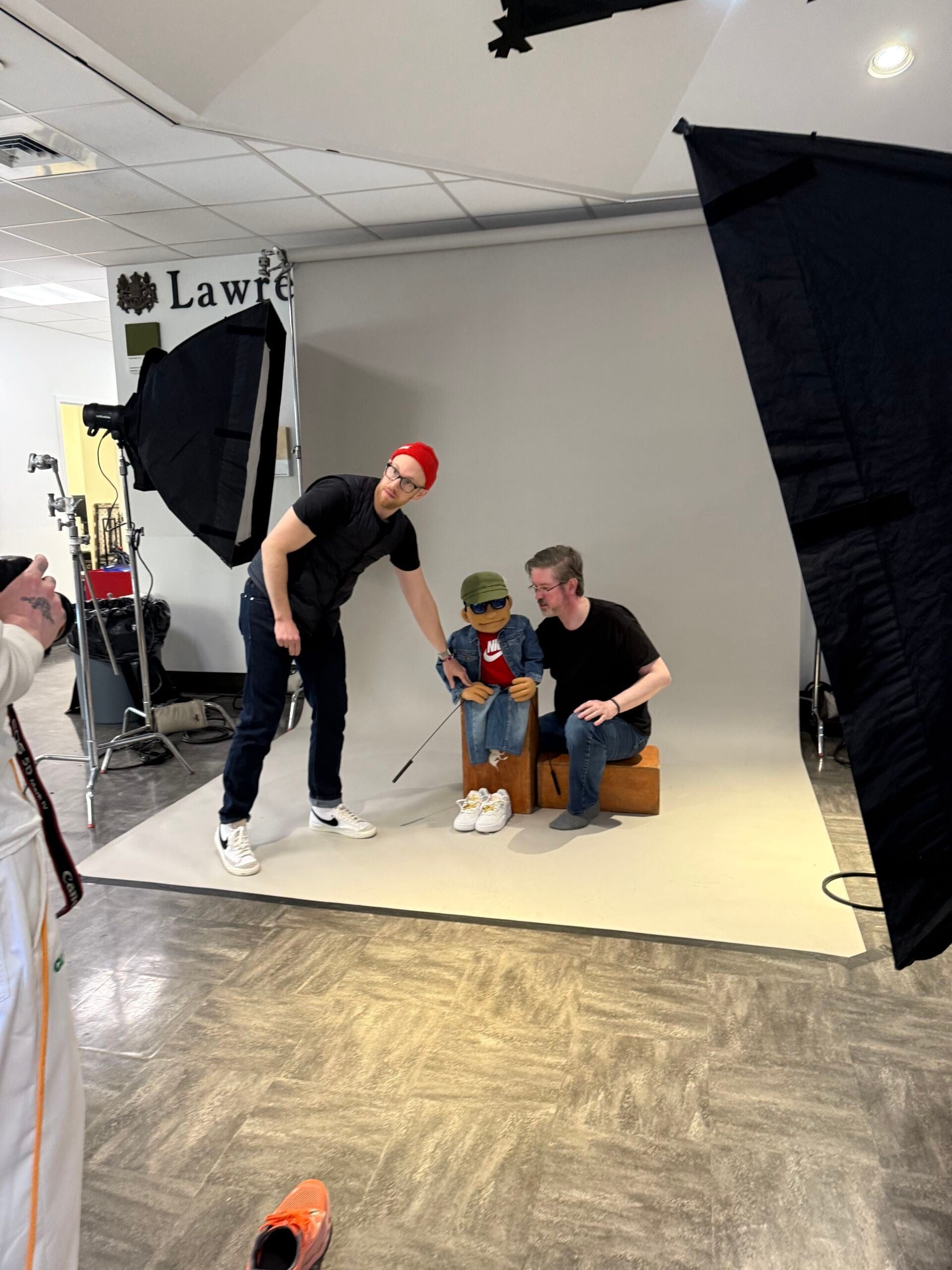
NEW YORK - While much of our entertainment today is digital, there are still analog media forms that deliver joy, like live concerts and theater. Zack Buchman would add puppetry to that list. He's the founder and creative director of Furry Puppet Studio in Brooklyn, New York, which creates puppets for advertising campaigns, TV, music videos and live productions.
Its many collaborations include a custom NIGO puppet and costume for Nike's Air Force 3 collaboration, the characters for the Utah Office of Tourism, and puppet versions of Anderson Cooper and Andy Cohen for CNN.
We caught up with Zack to learn more about his studio's work.
Your About page opens with Grumpy Cat as a kind of touchstone for the studio — what did that project teach you about capturing a personality in puppet form, and why do you think it resonated so strongly?
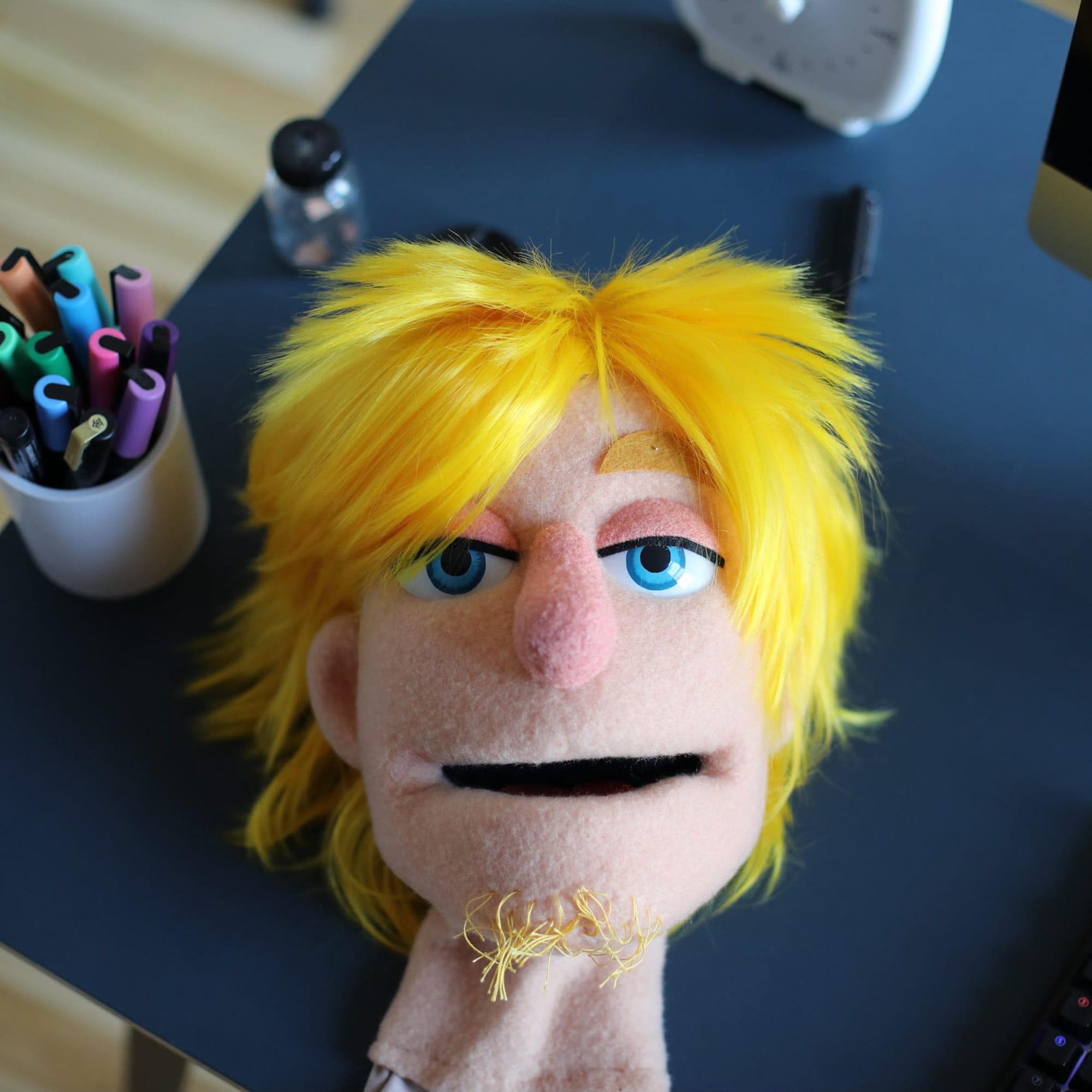
At Furry Puppet Studio, we built the only official puppet version of Grumpy Cat. She was already famous for one incredibly specific expression, so the challenge was not to add anything but to preserve that scowl in three dimensions. I think people responded because the puppet was unmistakably her. It reinforced how much personality can live in one simple expression.
You've described your process as starting with an incidental scribble or doodle and then uncovering the essence of it — can you share an example where a tiny sketch became the spark for a major character or campaign?
For the Bitcoin mascot we built for Jack Dorsey at Square, the first scribble I made in the meeting became the final design. It was intuitive and captured the character immediately. We kept returning to it as the design developed. That project was a good reminder that sometimes the strongest idea arrives before you have time to overthink it.
You've said puppets can create long-lasting bonds and meaningful exchanges with audiences — what is it about a handmade puppet that creates emotional connection in a way other media often can't?
A puppet is physically in the room with you. You can touch it, and it can react to you in real time. Once the suspense of disbelief is there, it is simply alive. I have often seen adults respond even more strongly than children.
Your team blends puppet builders, conceptual artists and engineers, and so much of the work happens in-house — what does that collaboration look like when you're developing a character from concept to final build?
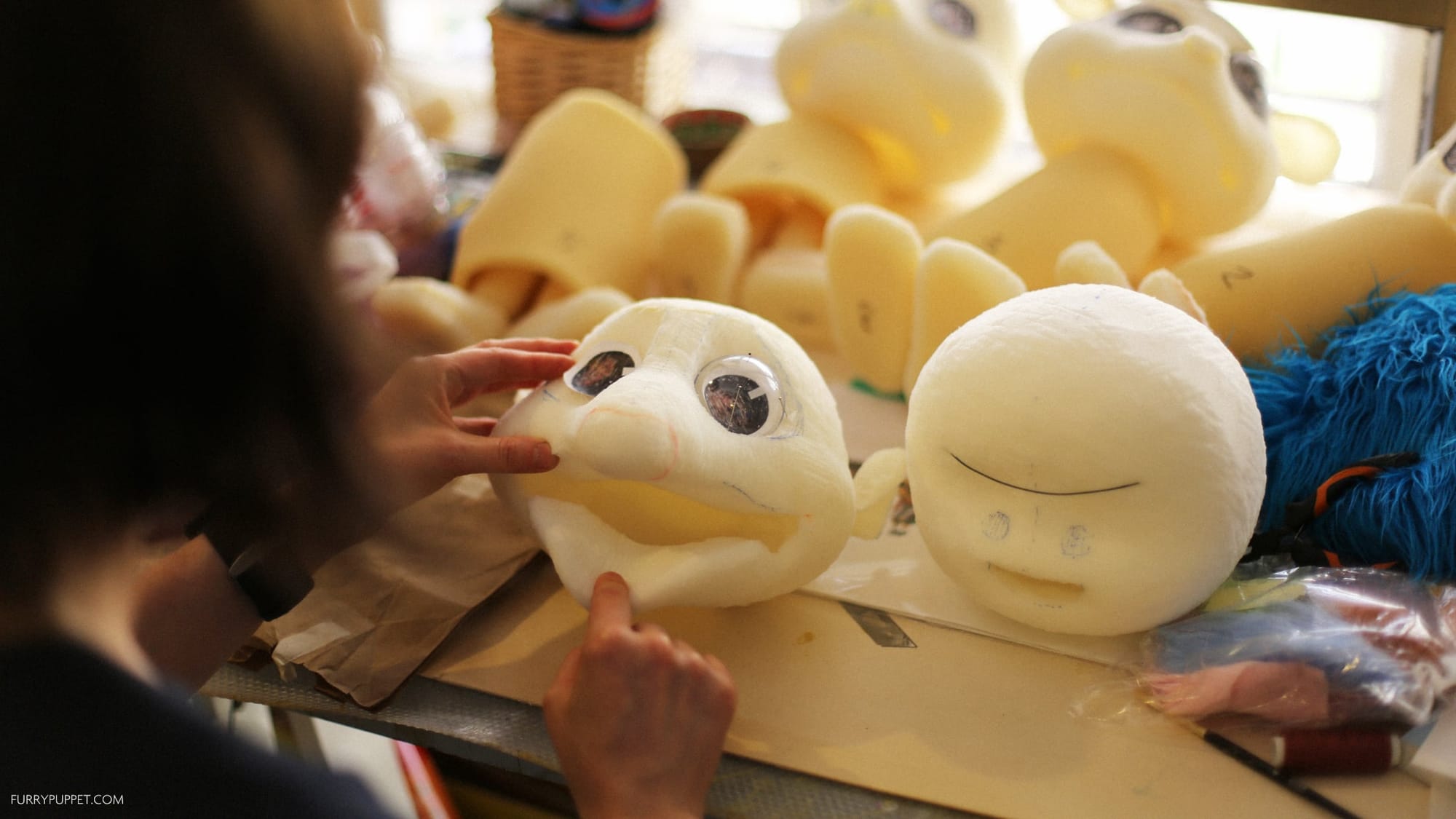
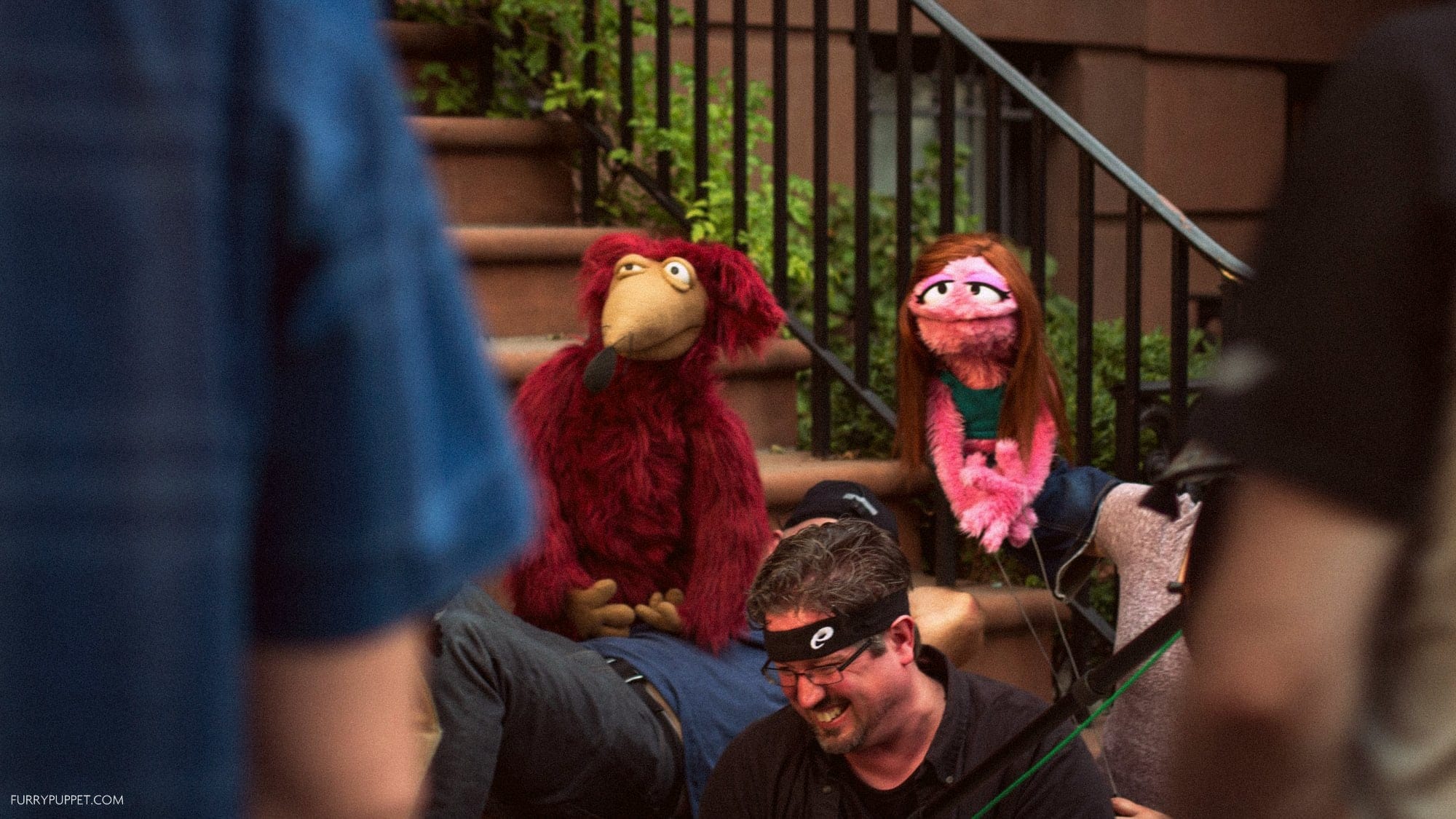
We begin with a small group sketching together. Once a direction feels right, our builders and engineers work simultaneously on the mechanisms and the parts that will be operated by hand. Then we finish with fabric skins and costumes. It is not a series of clean handoffs. The work overlaps all the way through.
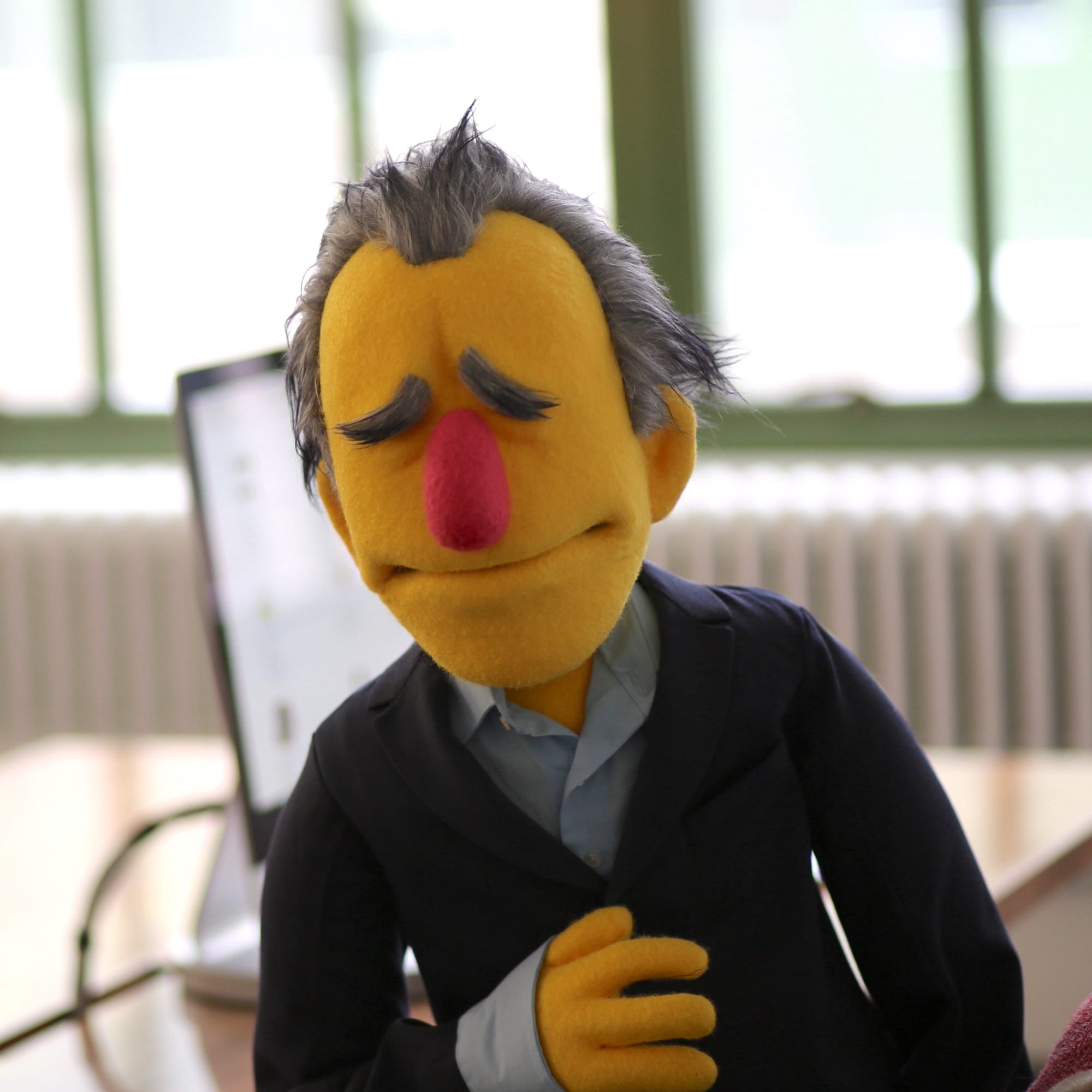
A lot of people assume this kind of work is mostly digital now, but your studio still starts with foam, fabric, and hand-built forms. How do you decide when a project calls for traditional craftsmanship versus newer fabrication techniques?
We do not really choose one or the other. Most puppets start as hand-carved foam sculptures, and we use 3D printing for eyes, parts or mechanisms that benefit from precision. Animatronics come in when the performance needs them. Traditional craft and newer fabrication often end up in the same puppet because they solve different problems.
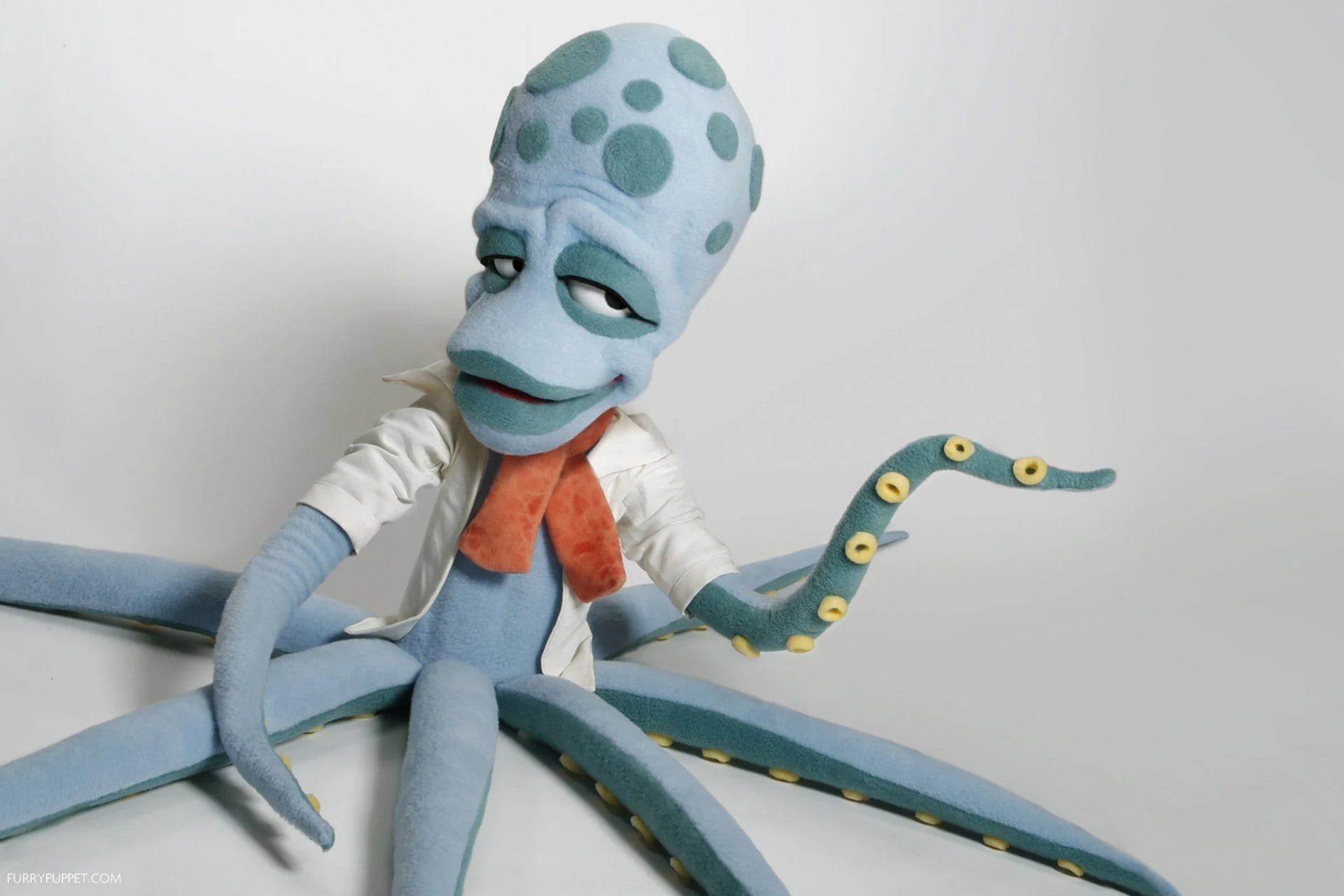
In your experience, what makes a puppet design feel alive enough to work across different formats like TV, advertising, music videos, or live performance?
We can try to reverse engineer it, but the truth is that some of it just works. There is something very alive and human about the medium, and the puppeteer is as important as the puppet. I like to have someone in mind while we are designing and stay involved in casting and early rehearsal. The requirements change from a close-up to a live show, but that relationship carries across formats.
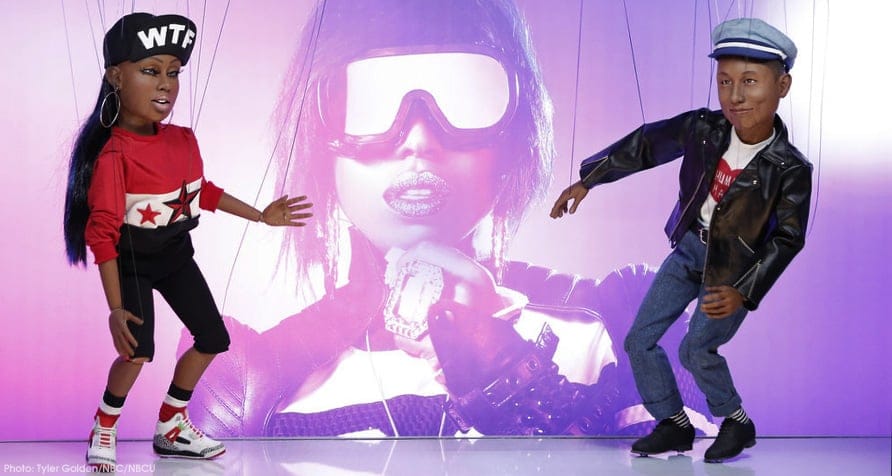
In an era dominated by CGI and AI-generated visuals, where do you see hand-built puppetry fitting into the future of storytelling, branding and live audience experience?
I think hand-built puppetry has a very good future. CGI and AI can both be useful tools, and we use new technology in the shop too. But a puppet is still designed, carved, built and performed by people. I think empathy and real human interaction become more valuable as the world around us becomes more optimized.
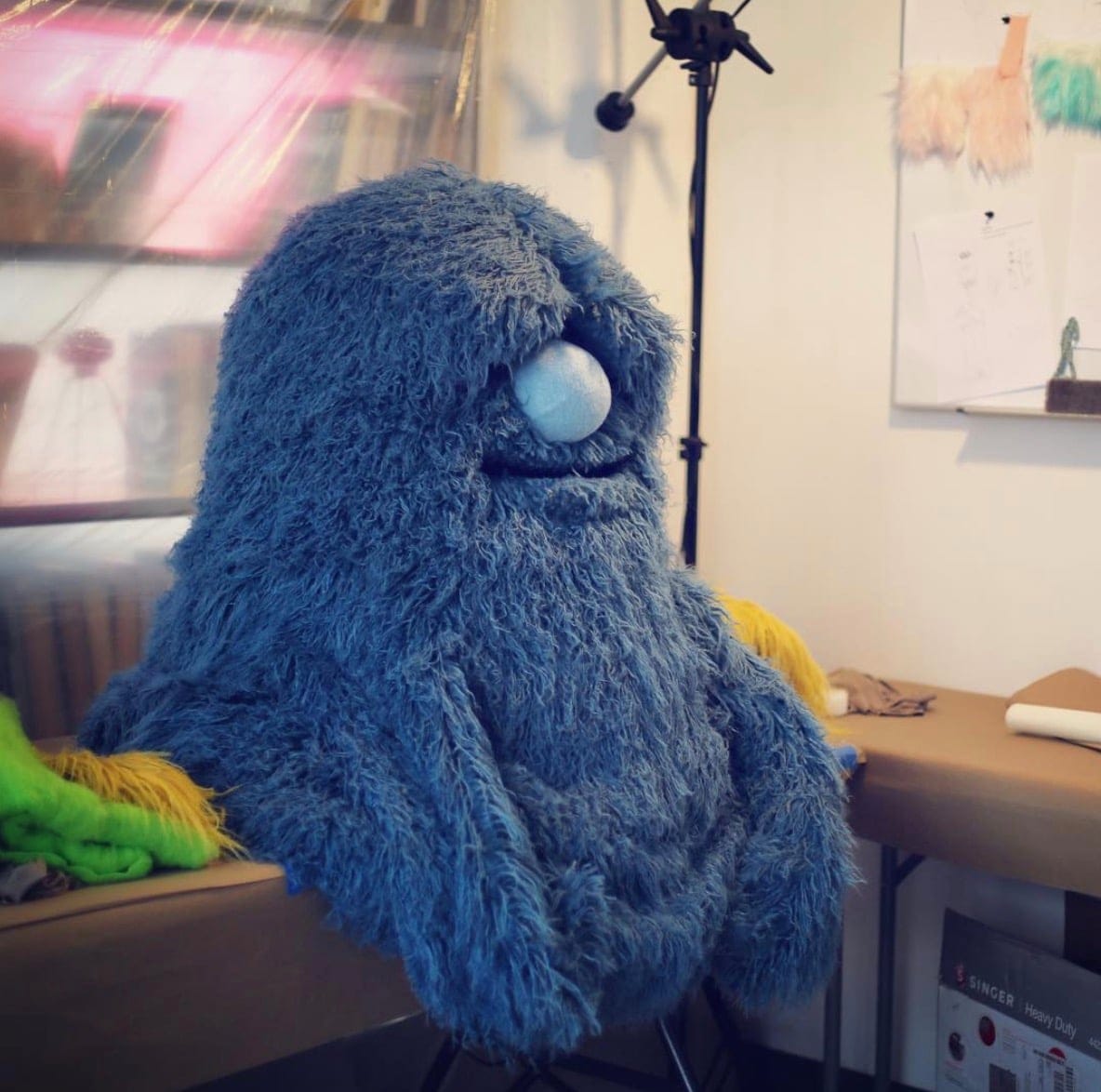
What's the most useful piece of advice you'd give to someone just starting their creative business?
Make something distinctive before worrying about how to promote it. Social media can help people find you while the algorithm is working in your favor, but it cannot replace talent or the work itself. Put most of your energy into your work and into building skills that become part of you.
What brings you joy outside of work?
Drawing all the time and for no reason. I started carrying a small watercolor kit a few years ago, and now I cannot go to a restaurant without it. It starts to feel like an addiction, and I should probably do something about it.
Thanks, Zack! You can learn more about Furry Puppet at https://www.furrypuppet.com.
Editor’s note: This interview has been edited slightly.
📖 Enjoyed this story? Artisan Joy is a nonprofit magazine celebrating the stories behind the craft. Click here to join us for free, and we’ll send you our Curator’s Starter Pack featuring our 3 most popular articles.