Discover This Snack Company's Secret Ingredient

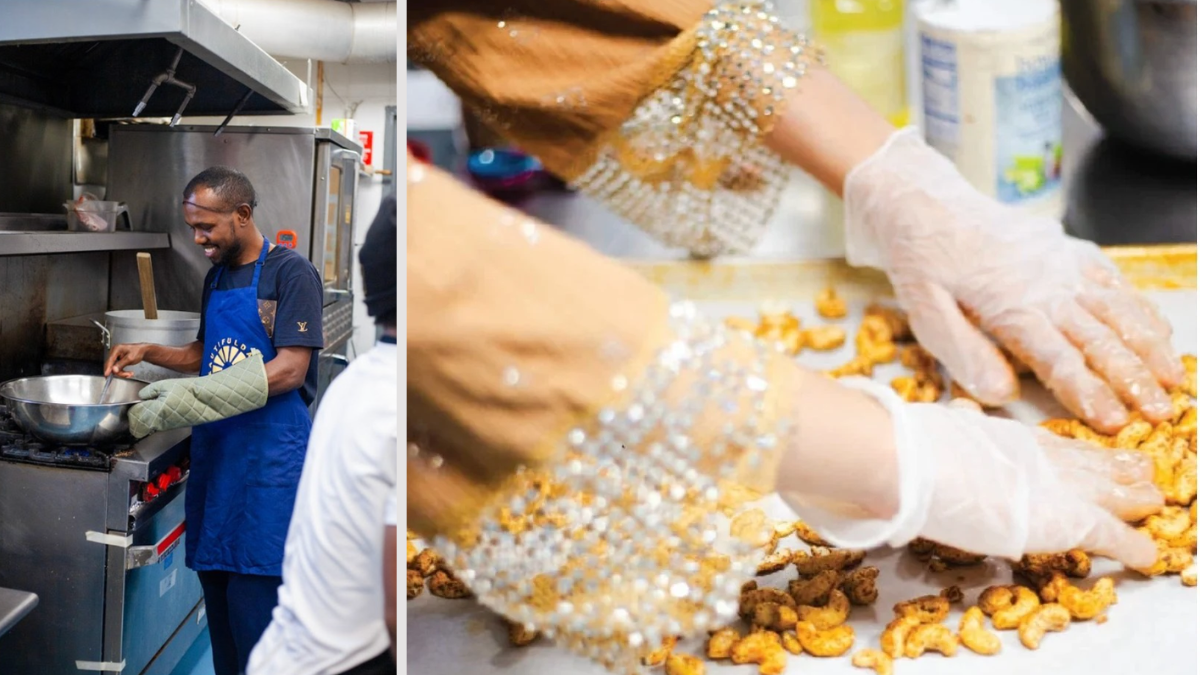
PROVIDENCE, R.I. – Finding work can be difficult for refugees, but Beautiful Day knows the secret ingredient to landing a job: skill development. The company, which also operates as a social enterprise, sells granola, hummus, nut mixes and coffee prepared by refugees who have resettled in Rhode Island.
Artisan Joy spoke with Amanda Gray, Beautiful Day's marketing and communications manager, to learn more about its programs and why Beautiful Day's snacks stand out.
Tell us about the people who make Beautiful Day's products.
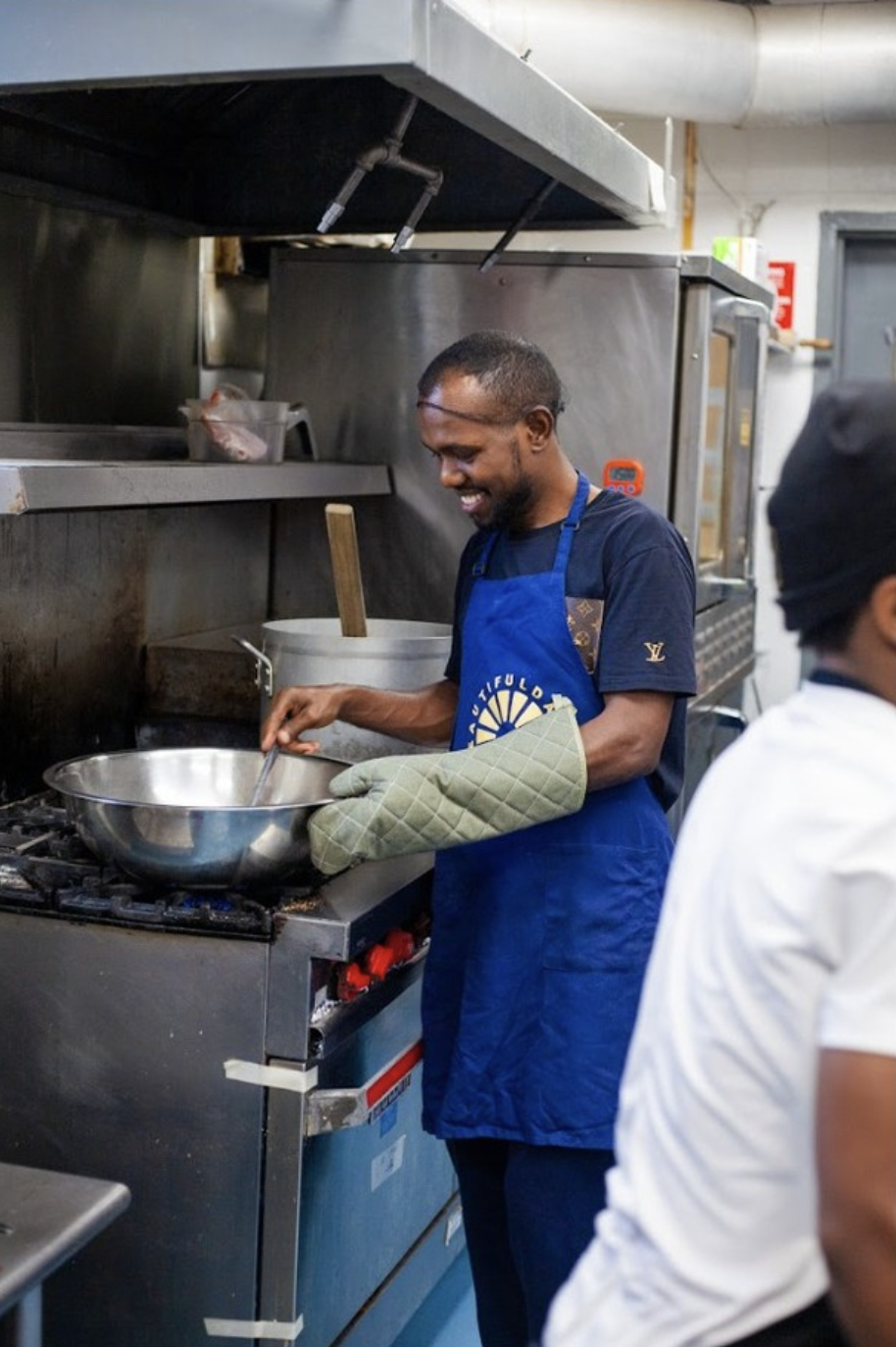
When you see “Proudly Made By Refugees” on our packaging, that's them. They are participants in our Granola Production Training Program. Some have recently resettled; others have lived in Rhode Island for a number of years.
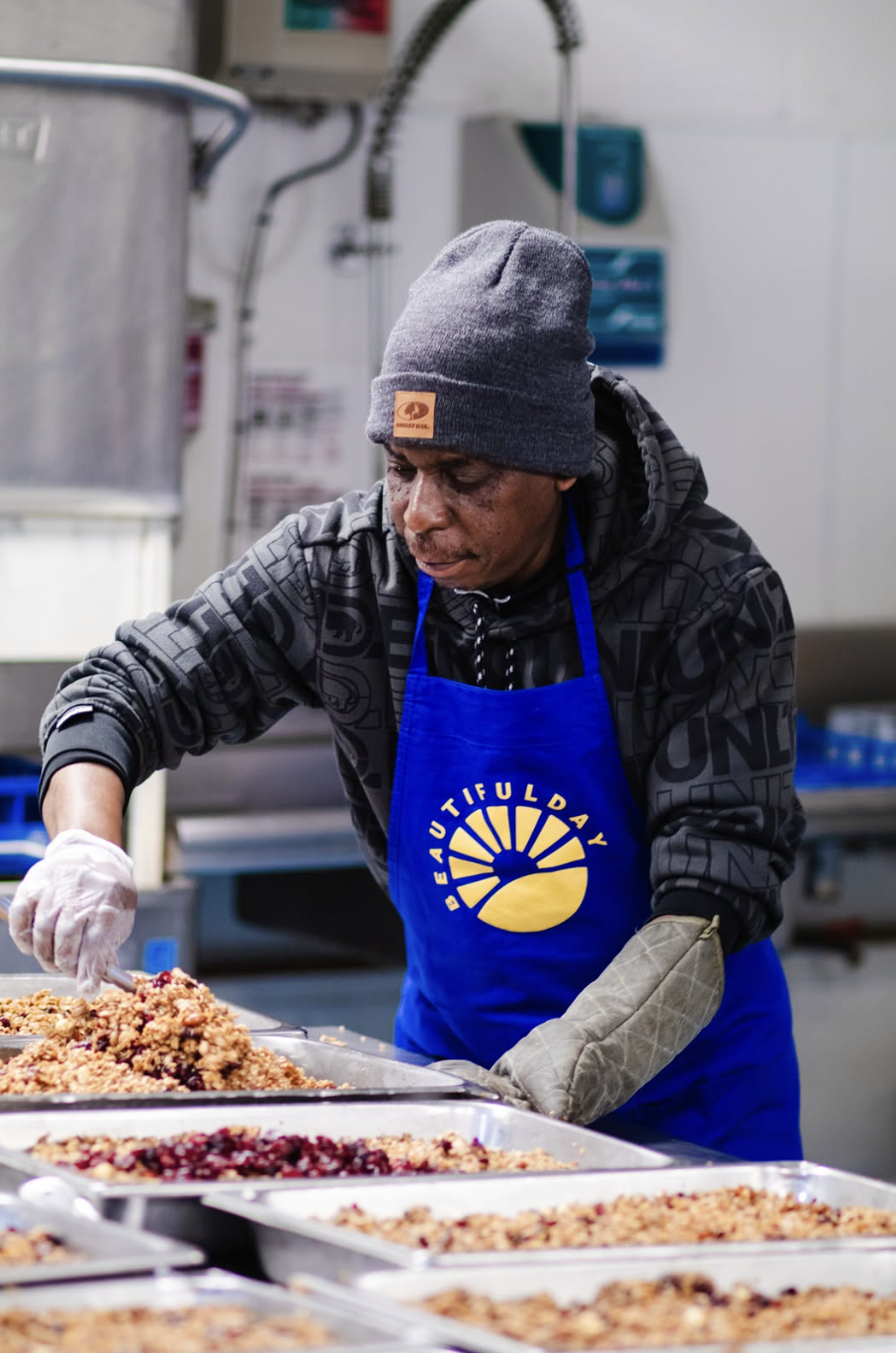
Participants spend up to 400 hours training on the job and earn an hourly wage, while also receiving English as a second language (ESL) support and building the practical skills they'll need to thrive at work in the U.S. Alongside our kitchen team, they learn to make our award-winning granola and hummus by hand, and to package our products so they can be shipped to customers across the country.
How do refugees learn about Beautiful Day?
Most come through referrals from resettlement and refugee-support agencies like Dorcas International, Women's Refugee Care and the Refugee Dream Center. Oftentimes, we have the children or family members of our trainees participate in one of our programs, like our Youth Internship Program or Farmers Market training.
What happens when training ends?
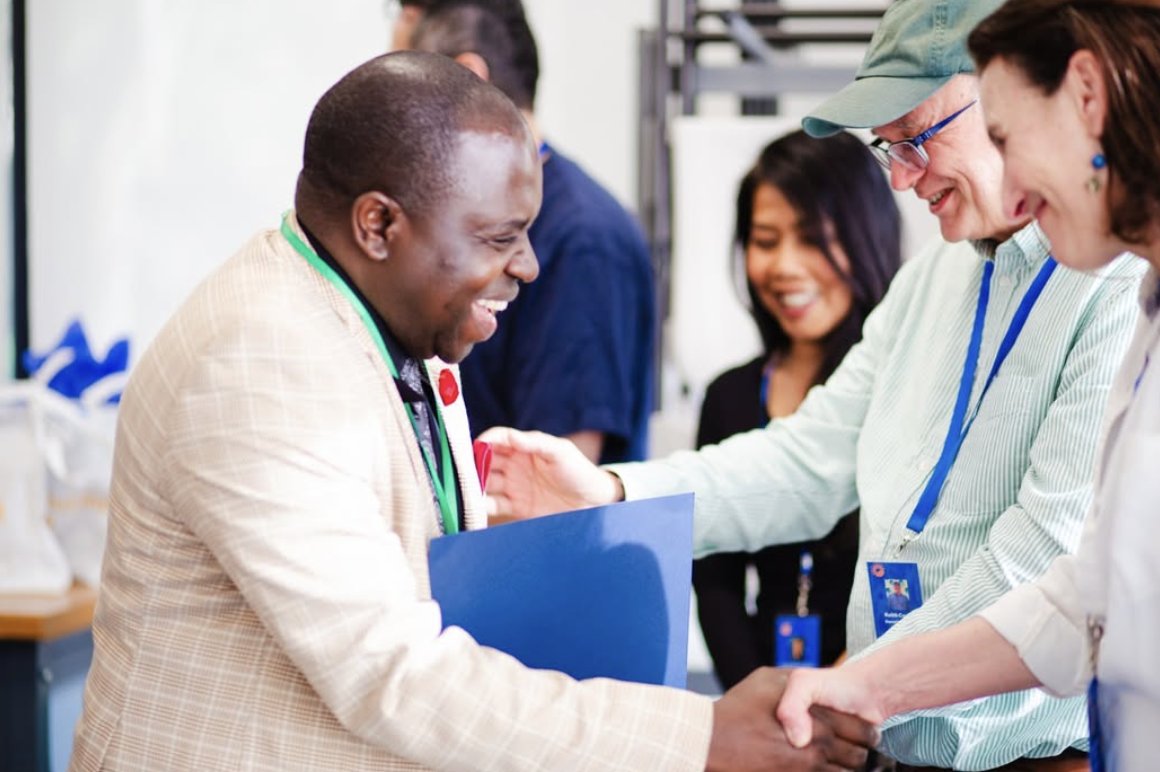
That's where our Employer Partnership Program comes in. We have about 40 partners now. Our employer partnership developer, Annie Dickson, connects with businesses and explains that the refugees we work with are graduates of a training program, enrolled in ESL, and that the barriers that have prevented them from finding work so far are workable, and that we can help with that. It's been heartening to see our trainees find full-time work. One of our recent graduates was hired as a housekeeper at the Hilton, and she came to visit us at Beautiful Day excited to tell us all about it.
You mentioned Beautiful Day's youth program. Can you share more about it?
Our youth participants spend about 10 hours a week in seminars or interning at local businesses like Frog and Toad, Dunkin and The Providence Children's Museum. While working, our Youth Participants receive stipends, mentorship from business partners and skill-building workshops on communication and practical skills like resume writing and financial planning.
We also make sure we have plenty of fun together! The youth go on field trips, like bowling at Lang's Bowlerama (also one of our internship sites!) and kayaking, which absolutely helps foster teamwork and strengthen connections with the greater community.
Small-batch granola costs more than some grocery store brands. What keeps customers coming back?
Ingredient prices have gone up, and of course we have to consider that, but we've been keeping our pricing stable. We use whole grains and locally sourced organic nuts and seeds. Everything is handmade, with no added preservatives. Our bars also have unique flavors: cardamom, salted mango and bourbon pecan.
I think what really motivates our customers is that they support real change when they purchase our products. They not only get to enjoy a high-quality product; they also give back to their community in a real way, as 100% of sales profits go directly back into our programs.
We also sell hummus, which is incredible. I can't go back to any other hummus. The recipe comes from our production and training manager, Saad Awad, who's from Syria and ran his own restaurant in southern Rhode Island for years. He knows what he's doing.
What's a moment in your time at Beautiful Day that's stayed with you?
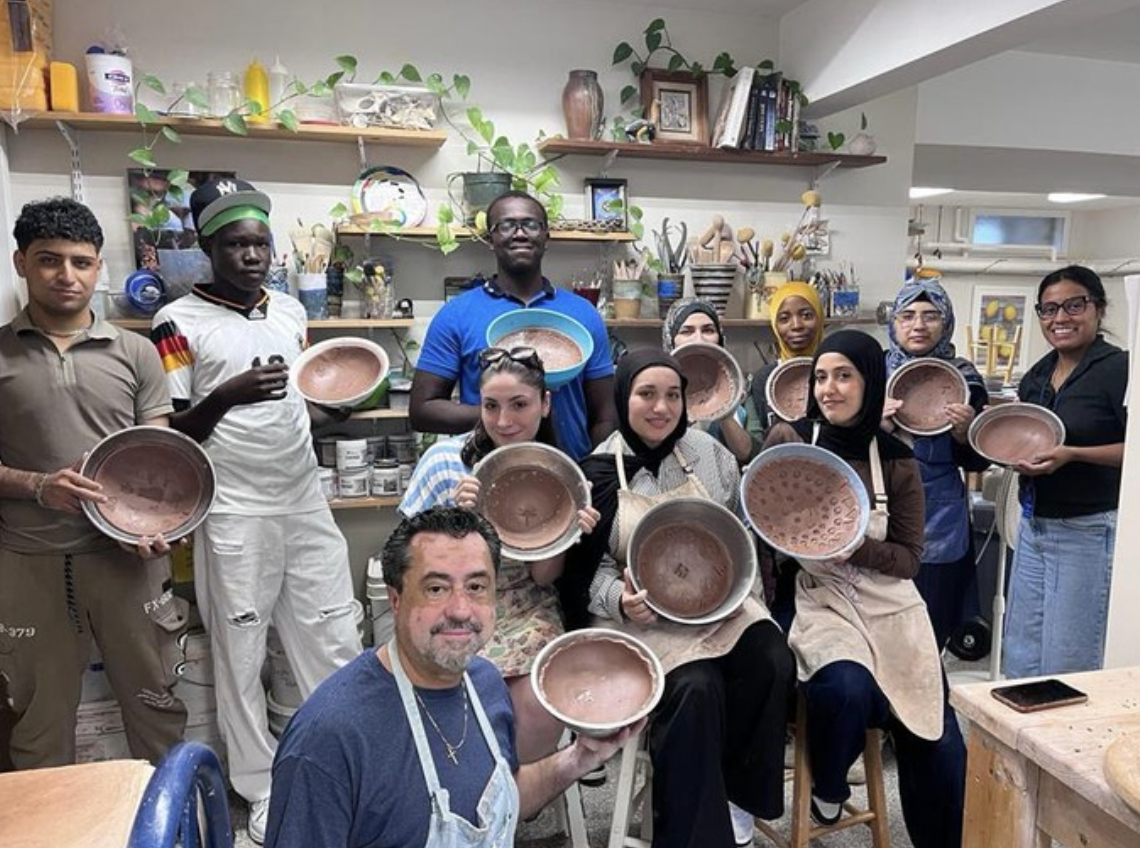
Our Afghan Women's Entrepreneurship Program. It began with Afghan women who came to Rhode Island after the U.S. withdrawal in 2021 as part of a statewide initiative led by DHS; they came to Beautiful Day every Friday to explore entrepreneurship, learn job-readiness skills and be together. Some didn't share a language. Some spoke no English at all.
When I first met some of them, they were very sweet but extremely shy. Some wouldn't even look you in the eye. But they started a catering business. This summer, they held pop-ups in Providence. At one, I watched them stand in front of about 80 people and say, in English, “Thank you for coming. We hope you enjoyed the food.” They'd found a way to do something they care about, make money, and share their love of food and hospitality. The room filled with new friends, and it was a great moment for the Providence community.
How have the changes to the U.S. Refugee Admissions Program affected Beautiful Day?
With so many changes in administration, we've had to be open and responsive to the needs of refugees here in Rhode Island. For example, with the reduction of SNAP benefits, many of our clients are no longer SNAP-eligible, resulting in food insecurity for them and reduced SNAP reimbursement funding for us. The majority of clients have also lost their Medicaid benefits.
We've been reflecting on those who need extra support right now. How can we best serve them? What do they need? Beyond those in the early stages of resettlement, we're reaching people who've been in Rhode Island a long time but can't find work and need a little extra support. We recently started a weekly job club, and have had trainees come in consistently and work really hard on their resumes.
What brings you joy working for Beautiful Day?
It's the people. So many of our refugees show up to work with a smile, even in the face of so many unknowns. They're eager to connect, laugh together, and are extremely motivated to build a life and support their families.
Thanks, Amanda! You can learn more about Beautiful Day at beautifuldayri.org.
Editor’s note: This interview has been edited for length and clarity.

This story was made possible in part by a grant from the Papitto Opportunity Connection.