How This Social Enterprise Is Expanding Opportunity for Women in New Delhi

In India, women continue to face barriers to independence, even as access to education, work, and legal rights has improved. Many still contend with restricted mobility, entrenched gender roles, domestic violence and social stigma. But social enterprises can create real opportunities for dignity, skills and long-term change for women.
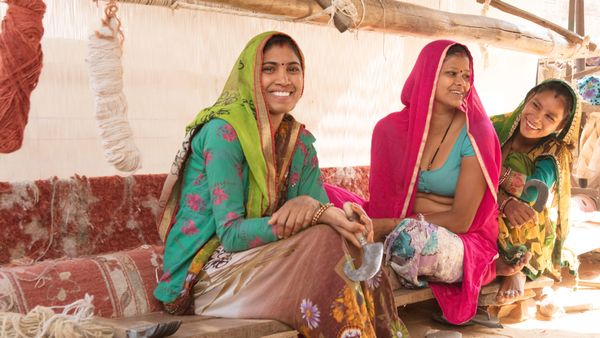
Zamrudpur is an urban village in New Delhi, India, and it is not the kind of place that draws you in. The neighborhood is crowded and densely packed, with migrants from rural India among its residents. Yet amid the chaos, women thrive within Khushbu, a block-printing workshop.
The Khushbu Project launched in 2011 as an educational initiative to support migrant women and their families. It began with literacy training and later expanded to include jewelry-making workshops, self-help savings groups, social justice forums and tutoring for children. Those programs gave women and their children opportunities to build skills, strengthen their community and learn about basic human rights.
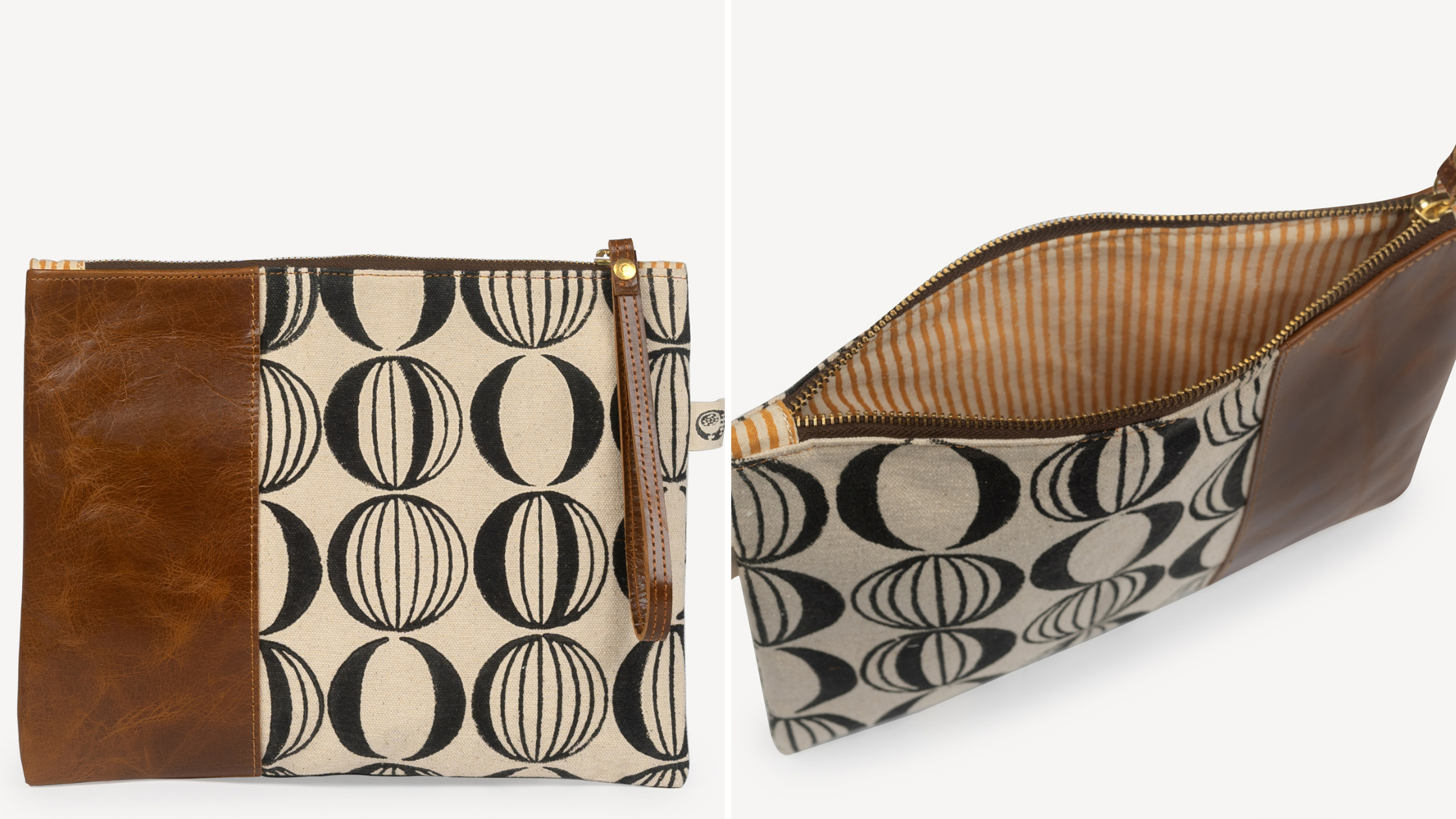
Today, Khushbu is a socially responsible business making premium block-printed, hand-stitched products for customers around the world. Its work combines traditional craft with fair wages, training and support for women in Zamrudpur.
What’s in a name?
New Delhi is not known for its pleasing aroma. In fact, you might imagine that it’s quite the opposite. But that’s what gave Jen and her cofounders the idea to use the name Khushbu.
“Khushbu means ‘a pleasing aroma’ in Hindi,” Jen explained. “What if, instead of being a place that people tried to avoid, we became a place that people were drawn to by our ‘good smell.’ The good smell that we long to share with others is that every human is unique and creative, and capable of making beautiful things that will impact themselves, their families, and the community around them.”
The artisans connect with that idea in a very literal way. “For sure – our ladies kind of imagine themselves wafting out of our factory to all the different little alleys and corners of Zamrudpur … blessing others as they go along. Because they have been blessed through their work at Khushbu, they see themselves as agents of blessing as soon as they walk out of our doors.”
Finding her voice
For many women, even basic questions of preference can be unfamiliar when they first arrive at Khushbu. Jen said that the team asks questions about their lives and what they like, and that the response is often silence at first.
“When we ask questions of preference for the first time, many ladies don't have a single response … through anecdotal research and spending long hours with these ladies, we eventually figured out it is because no one has ever asked them what their preference was. ‘What's your favorite color? What foods do you like to cook? What job would you like to have in the future?’ None of these are ever asked because the local fathers and husbands dictate the answer for their daughters and wives.”
Khushbu was built to push against that. The workshop is designed to treat women as capable people with dignity, choice, and a future.
The artisanal process
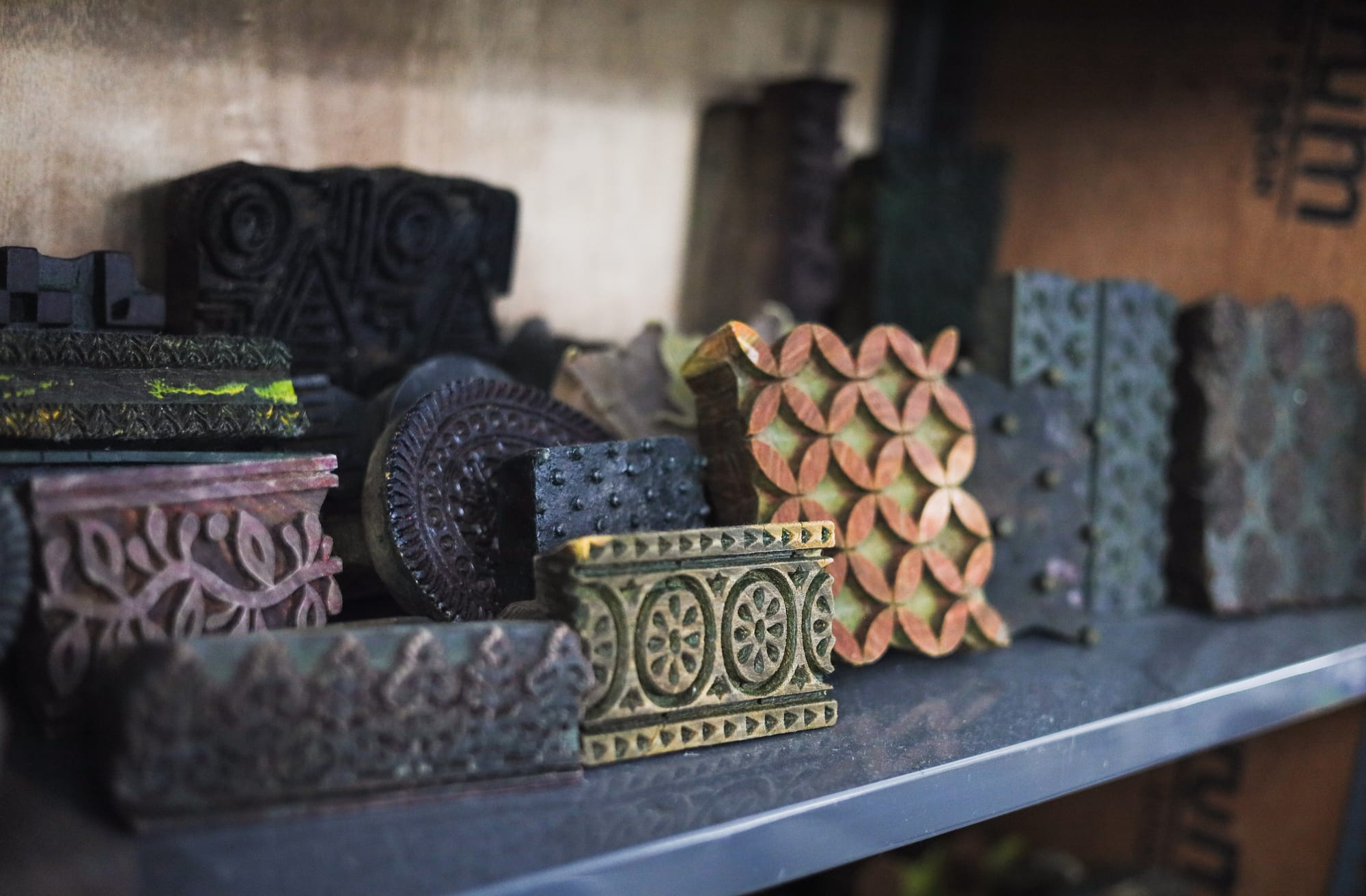
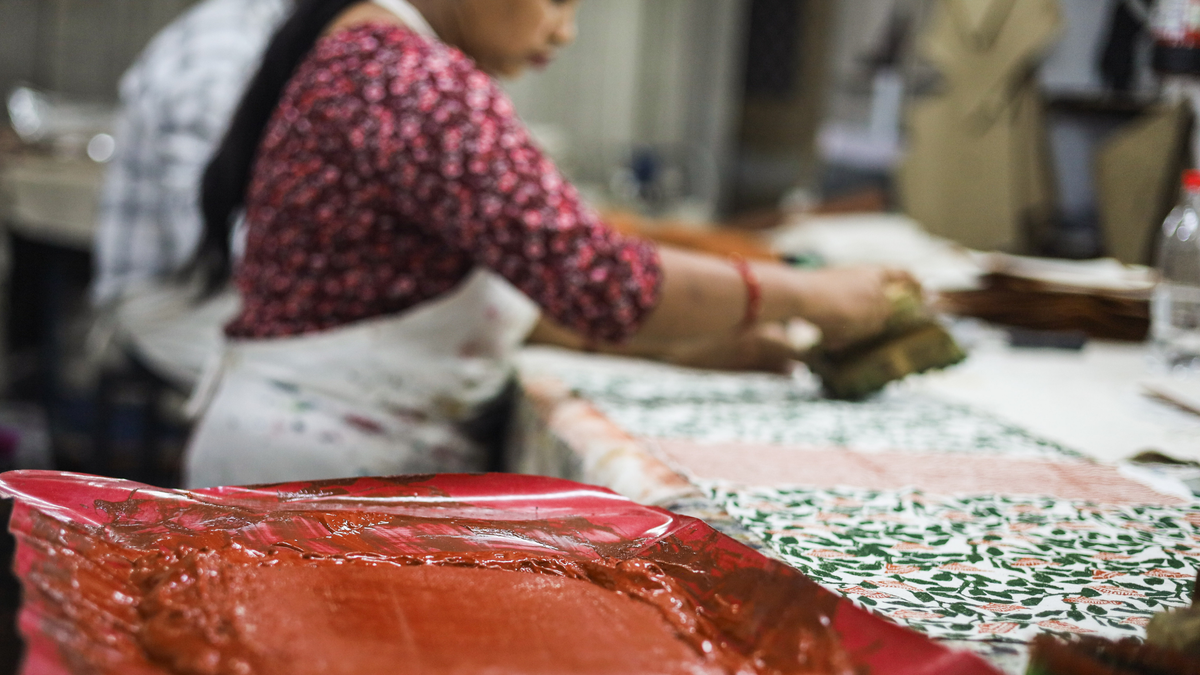
Khushbu works with a generational block carver named Pappu Ji, who hand-carves each new block. When clients send digital designs, the team turns them into actual-size PDFs for carving in the traditional way.
“We could generate new blocks more quickly and cheaply through the use of a 3D printer, but we choose to use a local craftsman because the raw material is biodegradable and because it gives another artisan a living wage, as well as preserves the traditional craft.”
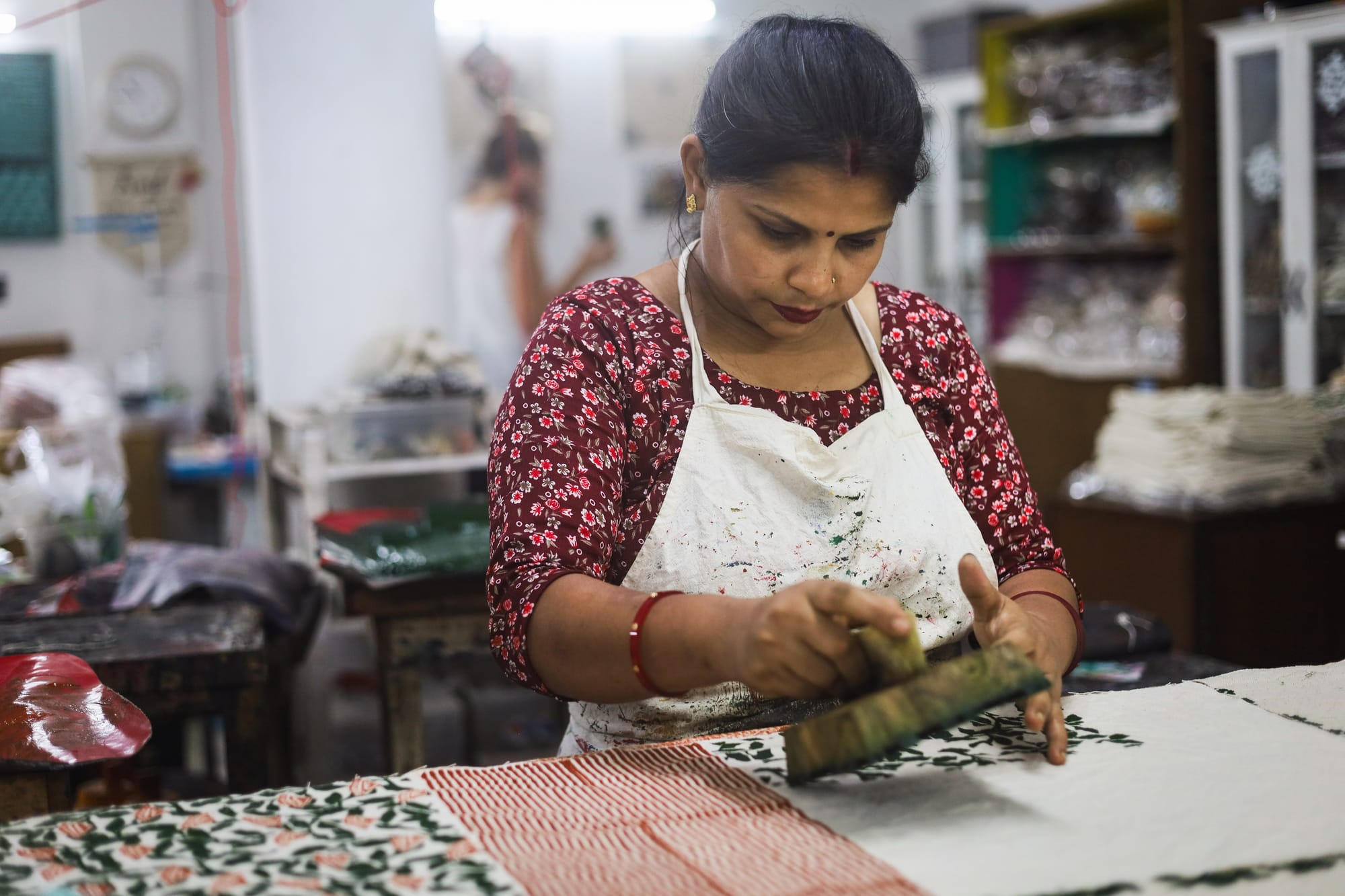
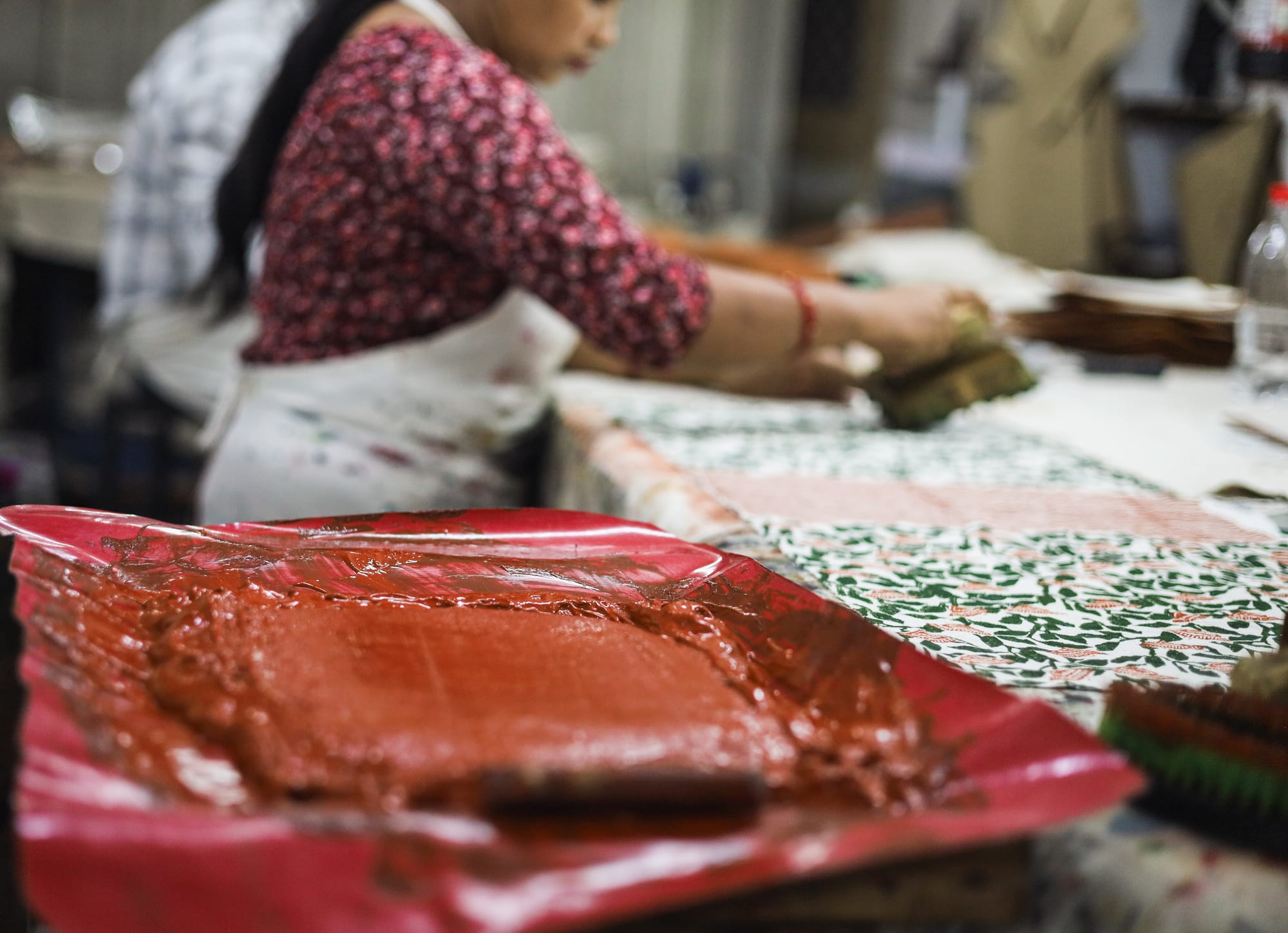
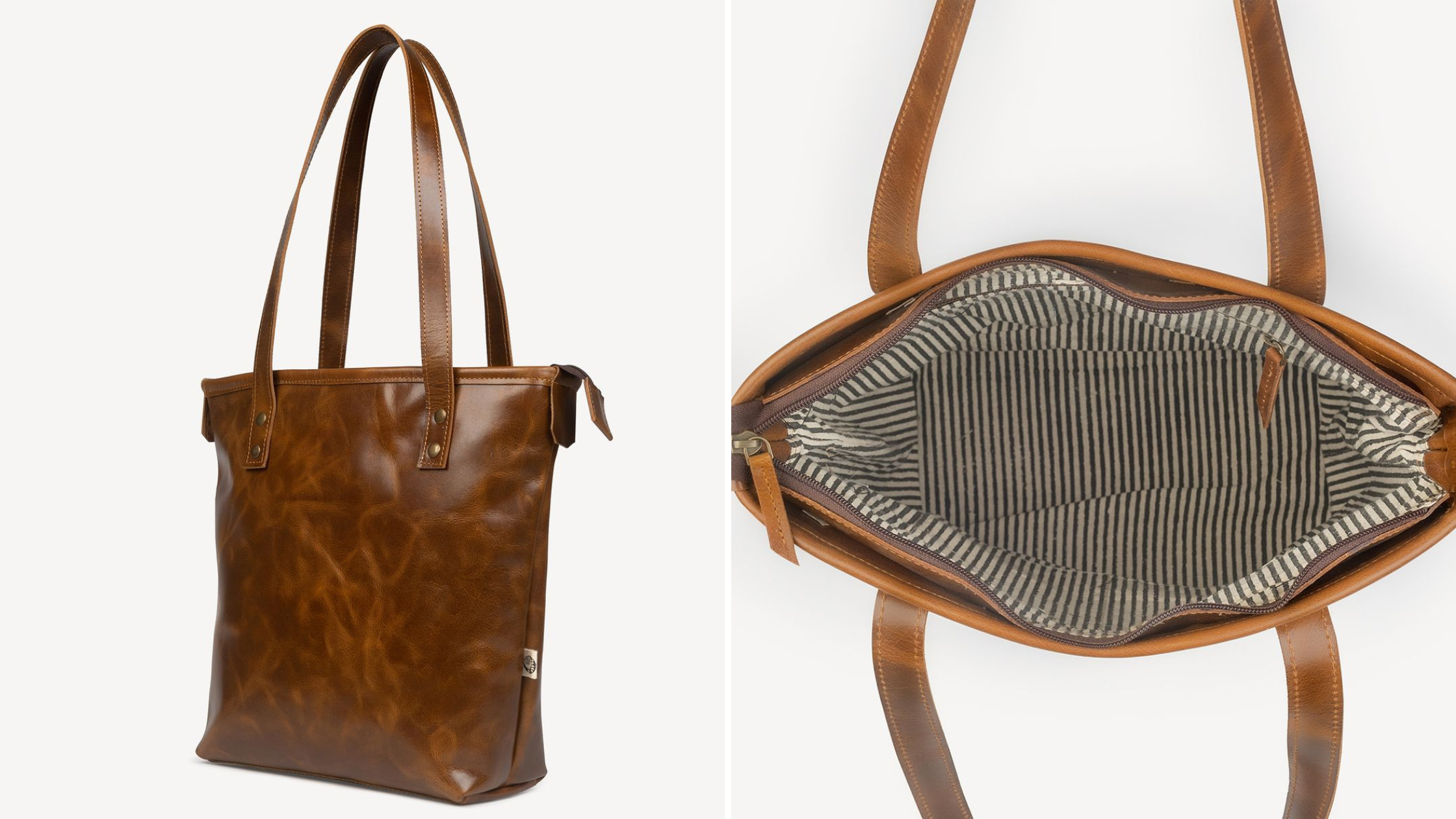
Before a Khushbu product reaches a customer, it passes through many hands. Victoria buys the raw materials. Hemant washes, cuts, hangs, and irons the fabric. Ajay cuts the lining or canvas to size. Sudha block-prints it. Hemant cuts the leather. Then one of the artisans sews the product, Ajay finishes it, and Casey and Stephen quality-check and pack the orders.
Sudha’s path
Sudha became Khushbu’s first full-time female block printer. That opening did not happen overnight. A donor had asked how she could help bring about change in the community, and the team used the opportunity to support Sudha’s salary as they grew the business and increased orders.
Jen said they initially gave themselves six months to make it work, but within two weeks, they realized Sudha had exceptional talent. Since then, she has encouraged another woman to take up block printing and has been teaching a third.
Her success helped show that women could not only learn the craft, but excel at it.
Ajay’s influence
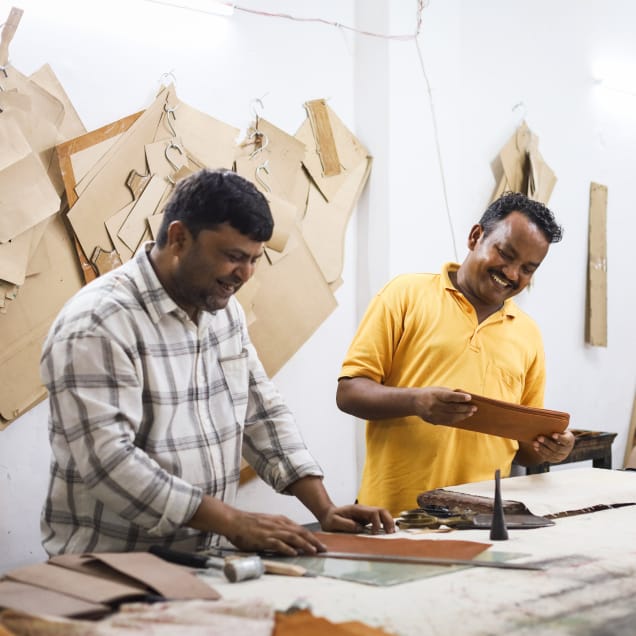
Ajay’s progressive mindset began long before he joined Khushbu. He met his wife, Sabita, in Delhi after both relocated there in search of a better life. Sabita was a widow who lost her first husband to typhoid just a week before having her first son. In India, where tens of millions of women are widowed, very few ever remarry – especially those who already have children. Knowing the steep odds Sabita faced, Ajay chose to marry her and raise her son as his own. Today, they share two more children, and their oldest son attends college.
Later, when Khushbu first opened, the founders taught Ajay the arts of block printing and stitching. Because he received this valuable training when he lacked formal skills, he feels a strong desire to pay it forward by teaching others. Now, the women at the workshop view him as a protective older brother. He teaches, guides and supports them, and they share a close bond, joking around together just like family.
Why fair wages matter
Jen’s views on fair wages are rooted in her time living in India. When she and her husband first moved there 11 years ago, she volunteered with a charity medical organization. She said the care was appreciated, but nearly every day, people asked her for jobs.
“When someone earns their money, they think long and hard about where they will invest it, children see the sacrifice of their parents and work hard in school to show their gratitude, and employees are able to save money for the first time in their lives and begin to think about buying houses or property instead of renting crowded rooms in the slums for double the cost of a mortgage.”
That philosophy has shaped Khushbu’s growth over time. Donations have helped the business expand, but the goal has always been to become less dependent on them.
Inspiring the next generation
Bhagwanti’s son, Basu, became the first child of a Khushbu employee to attend college. Although none of the team members had studied beyond eighth grade, Basu’s achievement showed them that college and a bright future were possible for their own children. Inspired by his journey, several women now have their children call Basu for guidance on finishing school, applying to college and planning their careers.
A growing mission
Khushbu now does more than make products. In the past year alone, the team helped women escape domestic violence, supported employees who had been forced out of their homes and walked alongside families through housing, schooling, medical appointments, births and funerals.
Jen said the work often continues well beyond training and wages. “As soon as these ladies have a few months without a major crisis, they are already beginning to look around them to see how they can help another neighbor in need. It’s been a uniquely beautiful thing to watch from the front row of life.”
That ripple effect is part of what Khushbu aims to build: not just jobs, but stability, dignity, and care that keep spreading outward.
A story behind every product
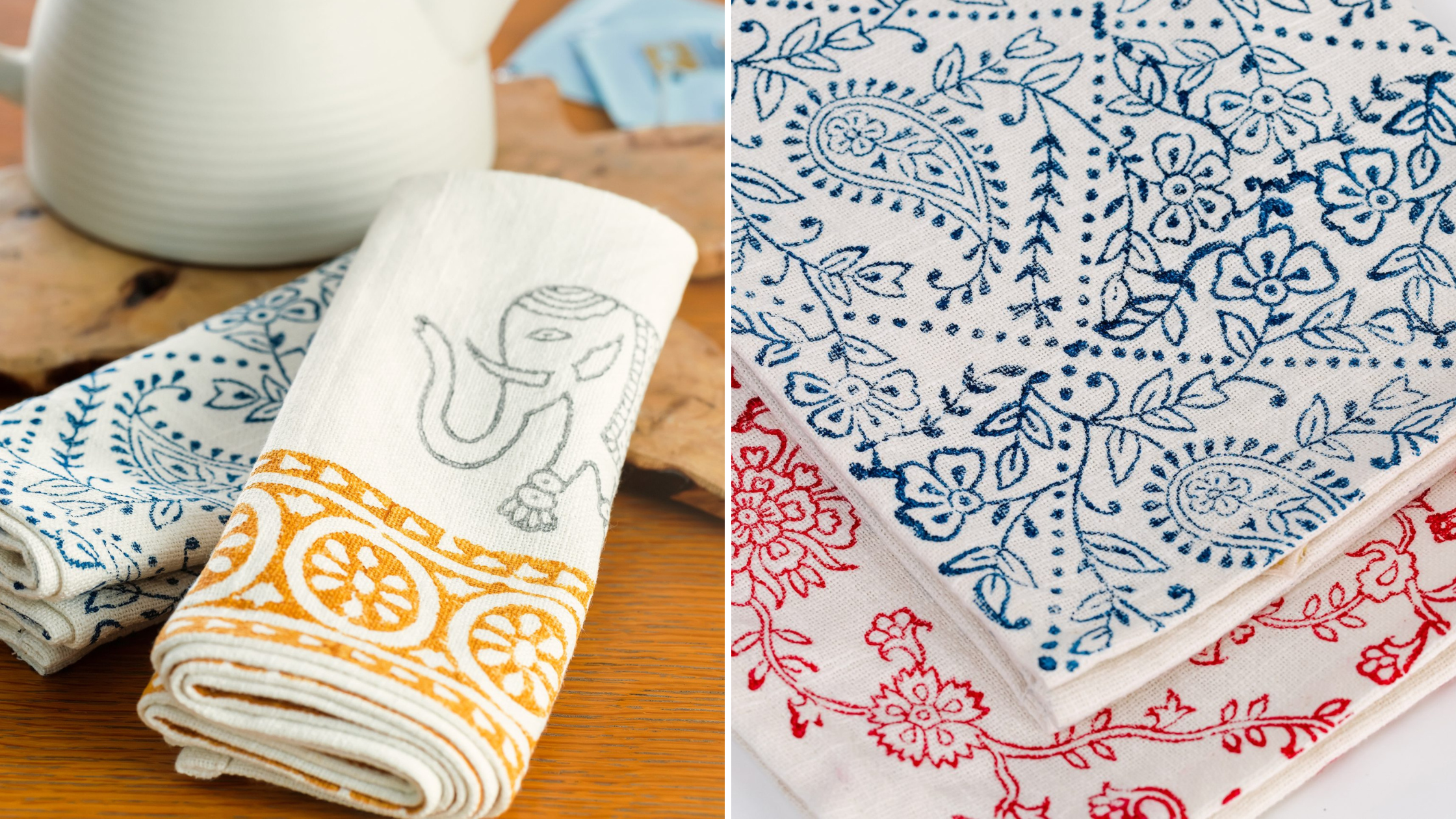
For someone buying a Khushbu bag, Jen wanted the human story behind the product to stay visible. Neeraj, one of the sewists, described that life most clearly.
She said that at her in-laws’ house, she had to keep her face covered, could not laugh or cry freely, and lived under the fear of abuse. At her mother’s house, by contrast, she could uncover her face, laugh with her sister, and eat her favorite foods.
“Working at Khushbu is like going home to your mom’s house.”
That is the feeling Khushbu hopes to create: a place of belonging, skill, and blessing that reaches far beyond the workshop doors.
Reporting for this story was supported by a grant from the East Tennessee Foundation. Artisan Joy retains full editorial control.