Fashion Illustrator Monika Gentry Helps Those With Health Challenges Feel Seen

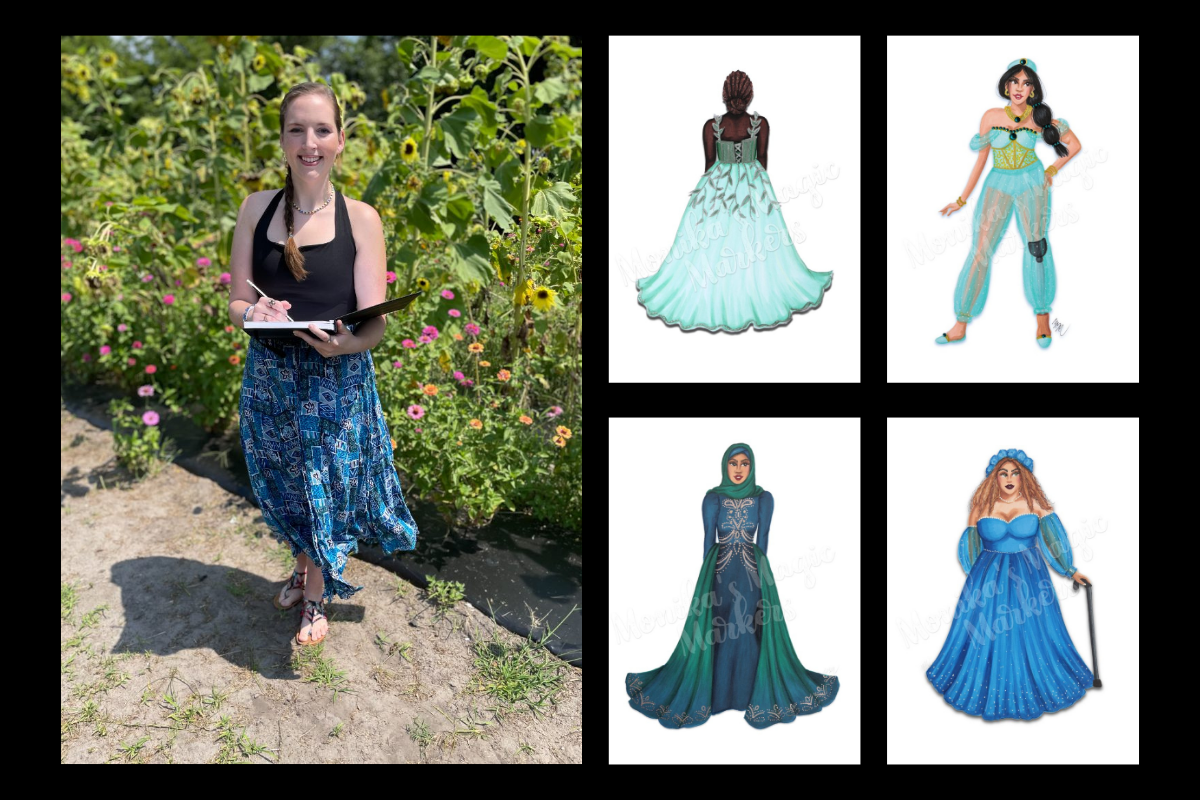
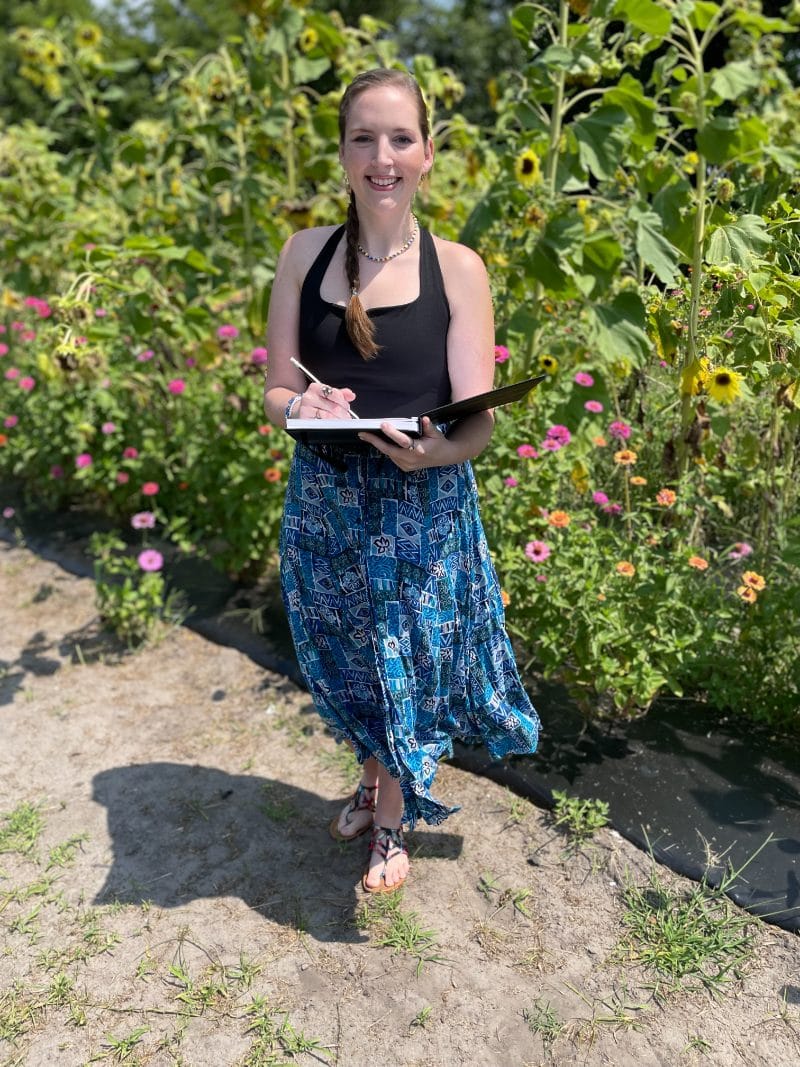
Monika Gentry is a self-taught fashion illustrator and content creator passionate about health and disability-inclusive art. In her interview, Monika shared details about her career trajectory, social media growth and commitment to showcasing diversity in her work. Despite challenges, Monika's creativity and resilience propelled her passion into a promising career.
What's your background in art, and what led you to share your work on social media?
Well, I've always been into art since I was a kid. I've always loved drawing, never did anything professionally with it, but just always loved it. I hadn't drawn or painted or anything in years and just started picking it up again. I saw fashion illustrations in a magazine and thought, 'Oh, that would be fun to kind of try and practice and learn.' This was probably just under two years ago, and I really enjoyed it—I always loved to draw clothes when I was younger, and I love fashion.
Then, I discovered that there were a lot of fashion illustration accounts on Instagram. I thought I would just start posting some of my stuff because it seemed like a cool little community. I followed a lot of lesser-known accounts as well as bigger accounts. I liked the community that I saw in the smaller accounts—you know, helping each other and giving each other tips. So, I figured I would just start posting to document my progress. And so that's how I started posting, and it eventually started getting more attention.
How did you grow your social media following?
I first started getting followers by just commenting on other people's accounts. And then other people started following me. And then when I started doing ASMR videos, eventually some of those kind of started to catch on, particularly my swatch videos and things that weren't even drawing at first. And with that, I started getting people outside of the fashion illustrator community seeing stuff. Then eventually, they started seeing my drawings, too, and that all started growing together.
Could you talk a bit about your health issues and pain and how they inspired disability inclusion in your art?
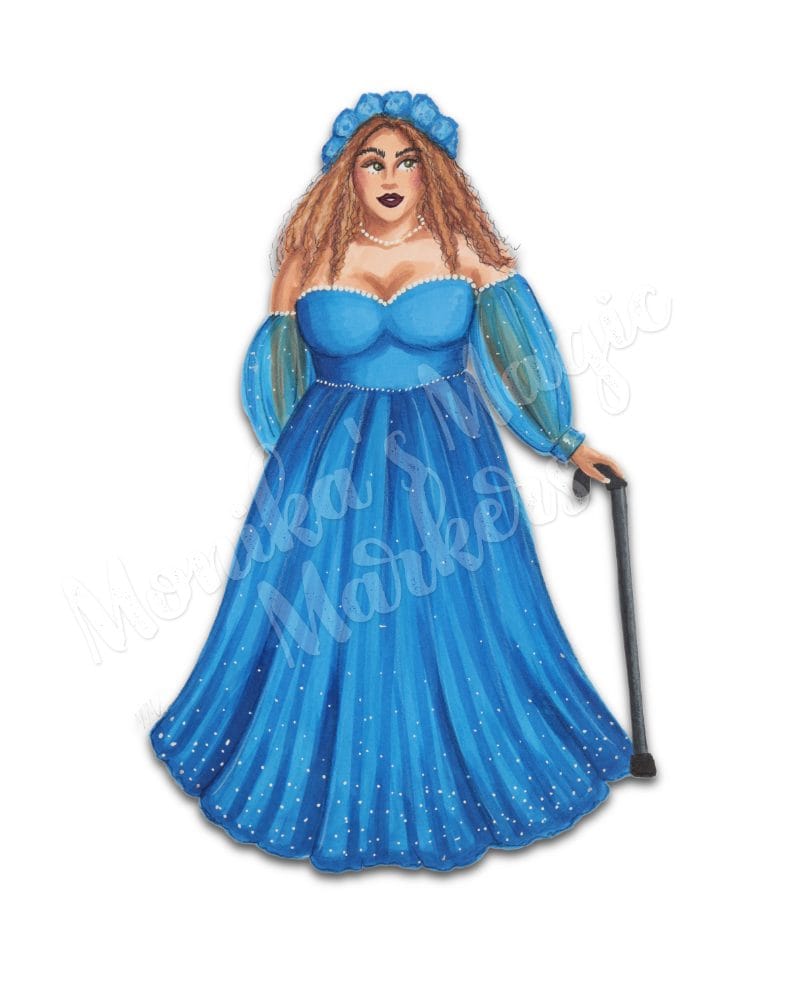
Since I was around 16, I've dealt with a lot of health and pain issues, starting with my back and other issues as well. I've had a number of surgeries, and so that's kind of like what got me wanting to do inclusive art. I've had to use a cane on and off for years, depending on my pain levels and mobility, especially when I was a teenager and in my early twenties. I just didn't see much of that anywhere.
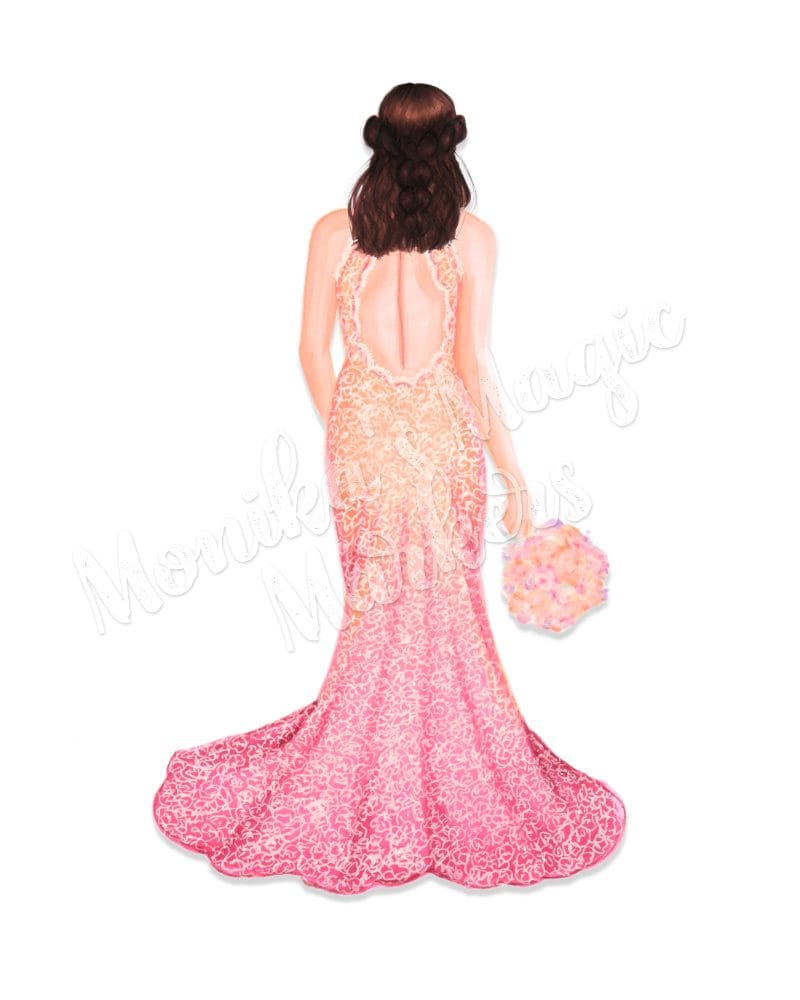
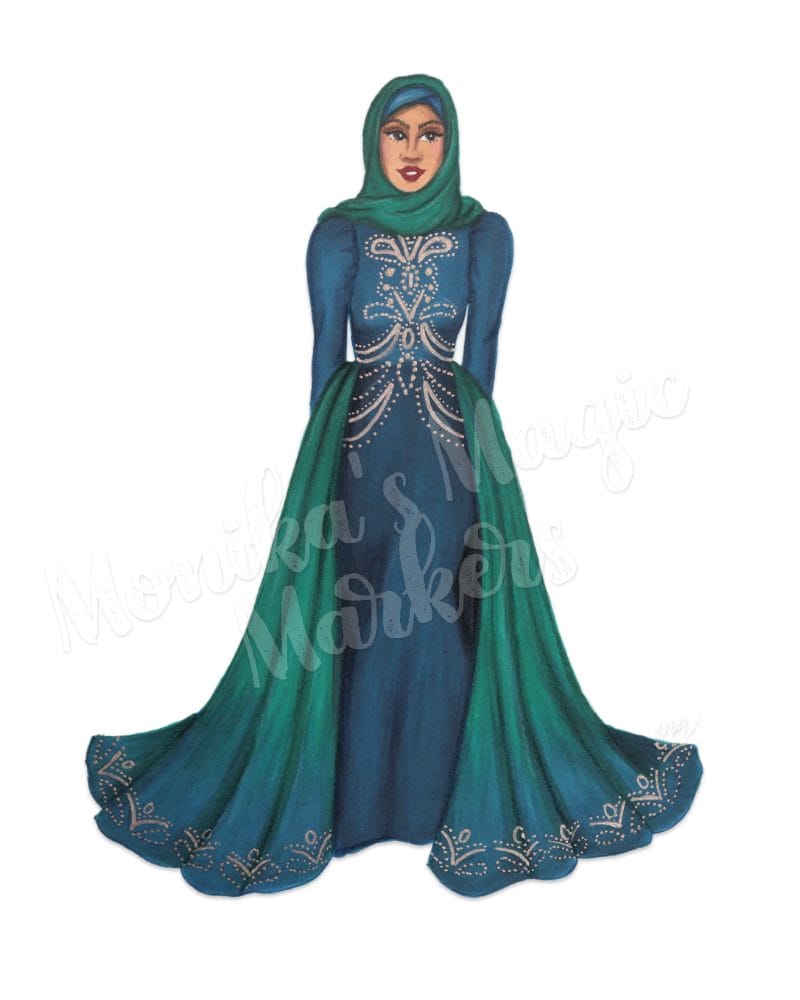
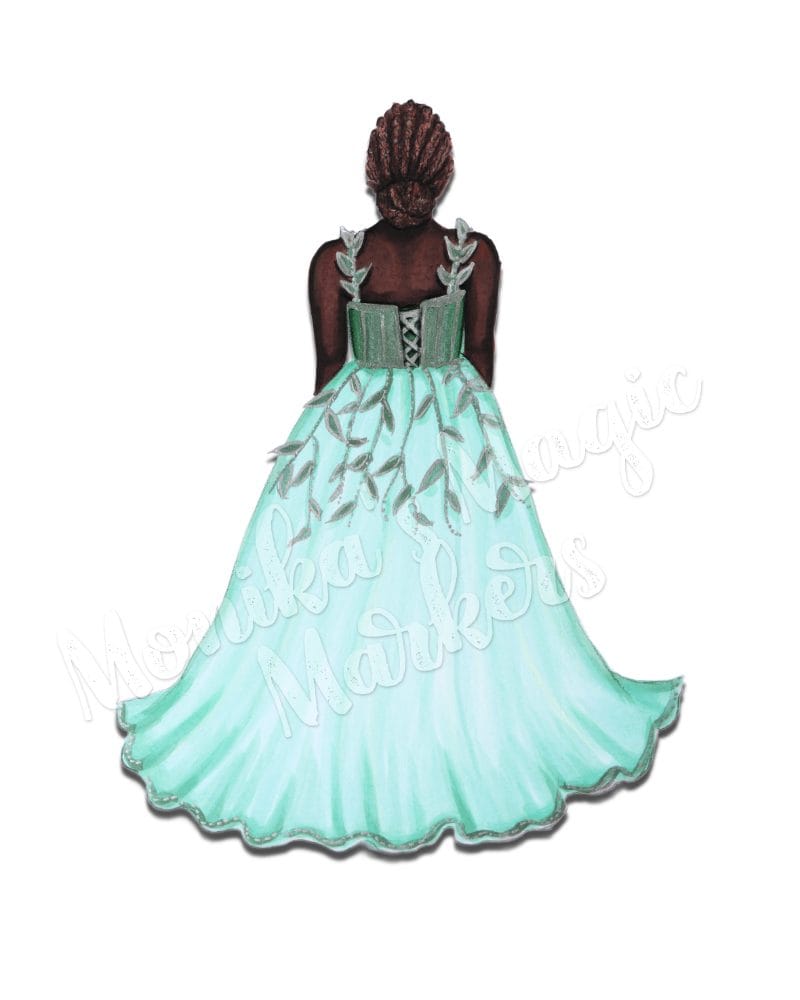
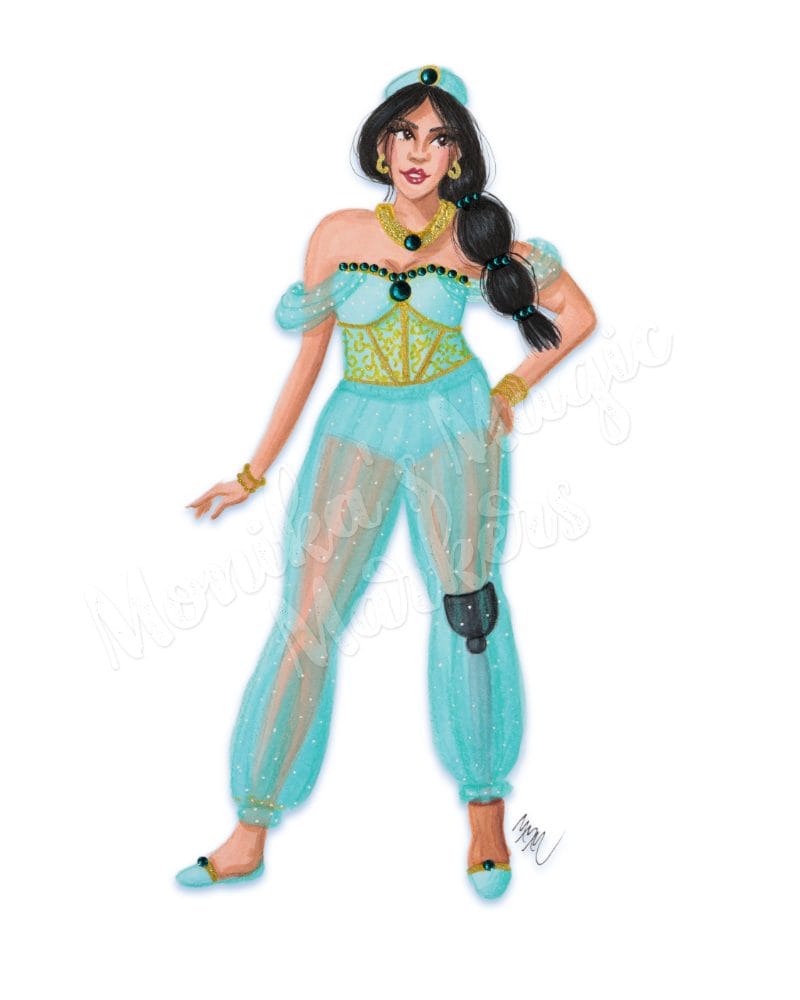
Now that I'm drawing, it has become really the biggest and favorite part of art to incorporate different health needs and disabilities because they're just not that out there. I'm seeing more and more of it, but it's still not that common to see, especially younger people with health and disability. I love to incorporate those in my drawings. I am so passionate about it. And I've connected with a lot of people who are now requesting to see certain mobility aids or health issues because they've commented that they felt seen through my art, which has been so rewarding.
Are you able to make your art your career?
Yes. I've been able to make that my full-time thing through ad revenue and collaborations, which has been wonderful. Given my restrictions with my pain and disability, it's been a huge blessing.
What are your goals for your business?
I do hope to increase my income and be more financially secure. I really want to be able to sell more of my art. I have an Etsy shop, but it's small right now. I'm kind of still trying to get that established. So that's a big goal of mine so that there are more options of art that feature disabilities for people to buy. And I also hope eventually it's a big goal of mine to do a disability coloring book with fashion illustrations.
How do you handle the highs and lows of running a business and managing your disability?
Just trying to take it day by day. My family, my mom and sister, are huge supporters. I could not do anything without them. They're my best friends, so they help me deal with the stress and support me through everything. Otherwise, I'm just trying to not beat myself up as much as I used to. On the days I can work, I work as hard as I can, and on the days I need to rest, I try to remind myself that that's okay, too.
What was the catalyst for knowing that you could make fashion illustration your business?
TikTok was the biggest thing that allowed me to do this because I was able to start making money through views on my videos. Just recently, I've been able to apply for the YouTube rewards as well, so I think that's going to help a lot, too, on slower days with TikTok. Being able to earn ad money and collaborate with brands was what allowed me to do this full-time.
What's something that surprised you about running your business?
Honestly, that I'm capable of doing it, and I am doing it, and I'm doing it pretty well because I never give myself enough credit. And so, just being proud of myself surprised me because I didn't really know I had that in me.
In addition to inclusive art, what's a cause you are passionate about?
St. Jude Children's Research Hospital. My family has supported the cause for many years. You can learn more at www.stjude.org.
What brings you joy?
Drawing, and aside from that, gardening and my family. I just enjoy the simple things.
Thanks, Monika! You can learn more at www.etsy.com/shop/monikasmagicmarkers.
Editor's Note: This interview has been edited for length and clarity. Photos provided courtesy of Monika Gentry.