Crafting Change: How Adella Colvin Knits Social Justice Into Her Hand-Dyed Yarn Business

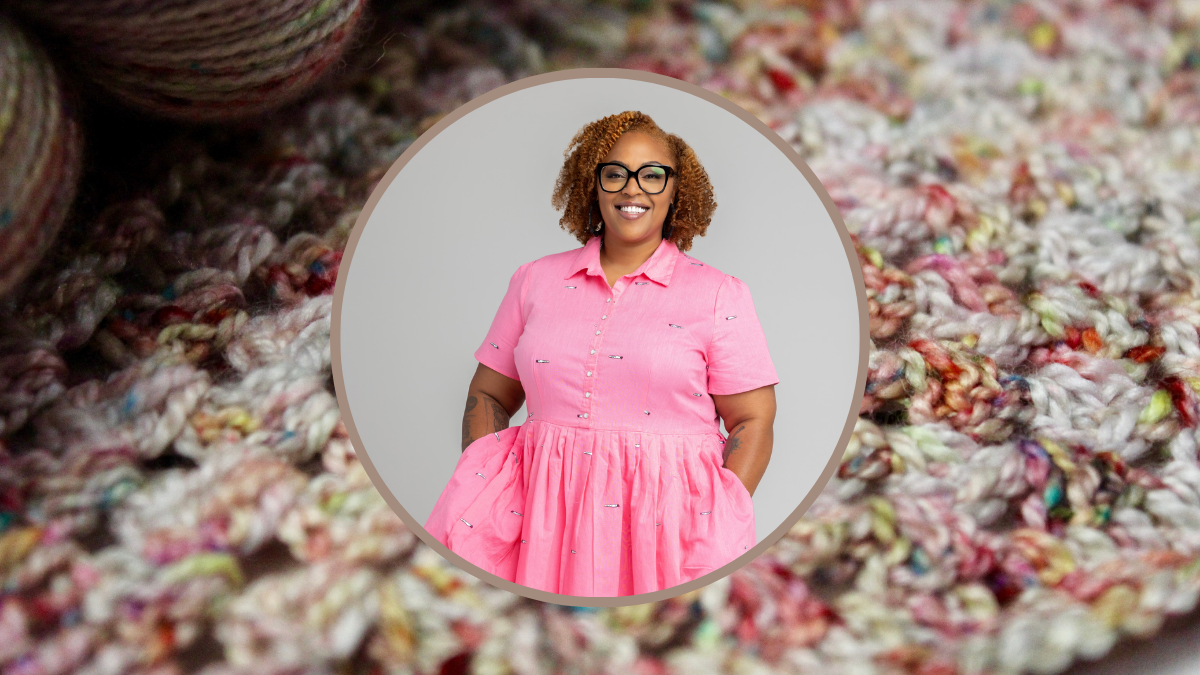
Editor's Note: This story was first published in Artisan Joy magazine (Issue 4) in 2023.
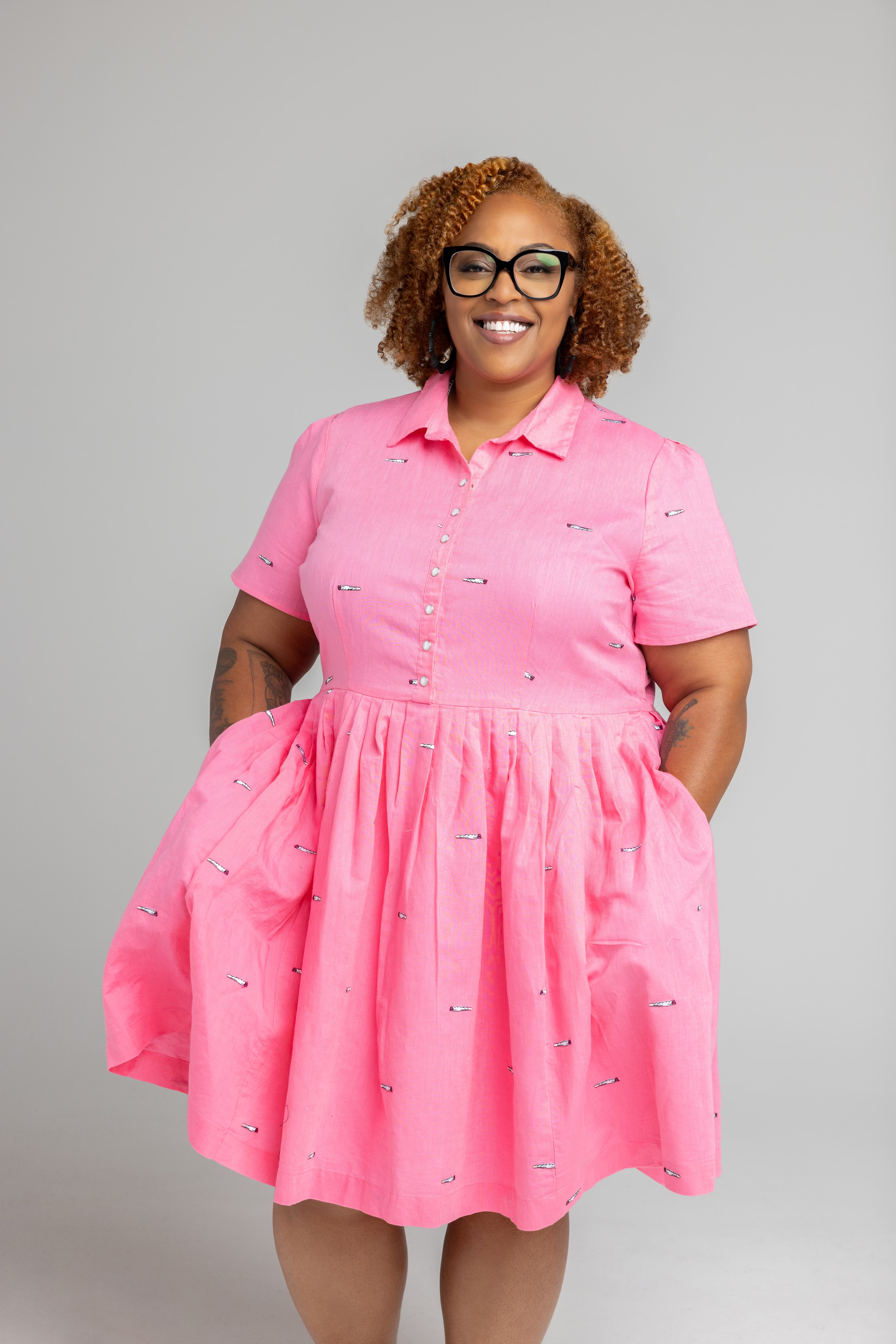
Meet Adella Colvin, the founder of LolaBean Yarn Co., a brand of custom hand-dyed luxury yarns for knitting and crocheting. Born in the Bronx, Adella never imagined becoming a yarn dyer. That part of her story began when she moved from New York City to a small town in Georgia.
“I had moved to Grovetown, Georgia, from New York City, to be with my husband, who was living and working there as a government contractor. He also had two sons, so it made sense for me to move. Back then, Grovetown had a population of four. There was a Cracker Barrel, Wal-Mart, and a gas station. In comparison to New York City, it was a drastic change. And to top it all off, they sent my husband to Afghanistan to teach. So now I’m in a new place by myself. My husband introduced me to his neighbor Bonnie. She was a retired schoolteacher in her late 60s from Battle Creek, Michigan. We had absolutely nothing in common. You know, different generations, different socioeconomic backgrounds. She was white. I was black and Spanish. So just totally different people,” Adella said.
After Adella’s husband Jimmy left for Afghanistan, Bonnie invited Adella over for coffee, which she was less than thrilled about. “I didn’t want to go have a cup of coffee with Bonnie. I’m a New Yorker. What are we going to talk about? But my mother also told me not to be rude. And I went over to her house for a cup of coffee.
"That just blossomed into probably one of the most profound and meaningful friendships I've ever had with a person."
When I walked in, she had these beautiful German-style curtains. She had a Singer sewing machine from like 1922 that still worked. She had little decorations all over her house that I thought were just so cute. And I asked where she bought them, and she chuckled and said, ‘I didn’t buy this stuff. I made this stuff.’”
During the visit, Adella expressed an interest in learning to crochet someday. “Bonnie ran to another room and came back with a white ball of yarn, a crochet hook, and a learn-to-crochet book and handed them to me. She said, ‘You practice, and any problems you have, you come knock on my door, and I will help you out.’ And that just blossomed into probably one of the most profound and meaningful friendships I’ve ever had with a person. Bonnie taught me how to crochet. She taught me how to knit. She introduced me to yarn shops.”
Bonnie eventually went home to Michigan, but the friends keep in touch every now and then. “While I don’t speak to her like I did when she lived right next door, I do know that she has seen some of my success, and she knows how grateful I am to her.”
After Bonnie moved, Adella continued to knit and crochet and loved discovering new yarn textures and types. One day, she ventured into a yarn shop to fuel her passion.
"Every time it happens, it's such a punch in the gut. She just assumed that I wasn't there to purchase yarn — because people who craft don't look like me."
“I stepped one foot in the door. I hadn’t even gotten the second foot and the owner said to me, ‘Oh no, my bathroom is for customers only.’ And, as much as I’ve dealt with micro-aggressions and people making assumptions based on what I look like, it always feels new. Every time it happens, it’s such a punch in the gut. I think I had on ripped jeans and a hoodie, and my afro was really big at that time. And she saw me, and she just assumed that I wasn’t there to purchase yarn because people who knit and crochet and craft don’t look like me. So I left.”
The disheartening encounter at the store was a pivotal moment for Adella. The lack of welcoming yarn shops in the area inspired her to experiment with dyeing yarn at home. “I went online, and I started looking at different yarns. I looked up hand-dyed yarn. After watching a couple of YouTube videos, I tried it.”
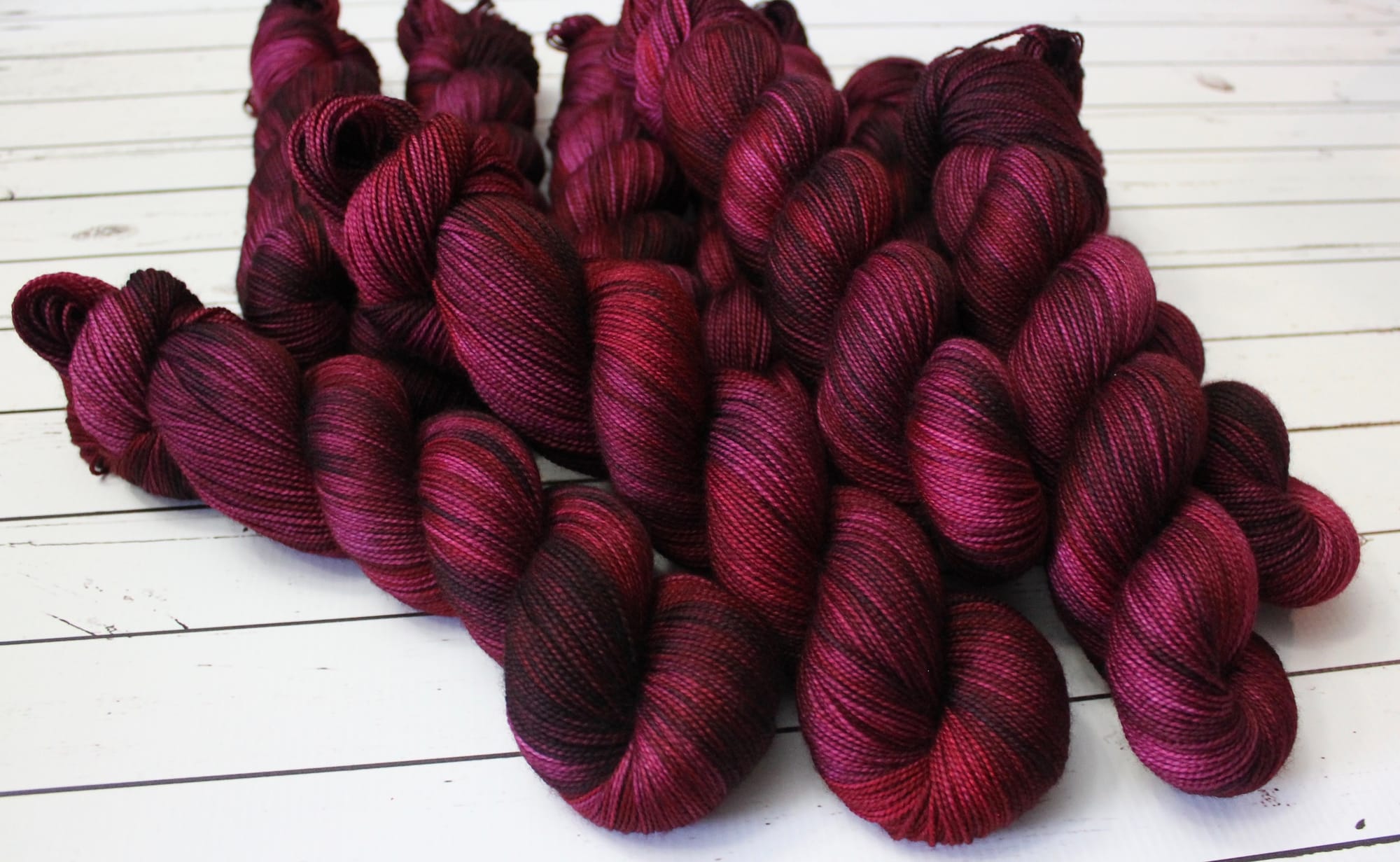
Continue reading Adella’s Q&A to see how she went from experimenting with yarn dyeing to becoming a hugely successful business owner and strong advocate social justice. Also, find inspiration in how Adella rises above prejudice, is building a legacy for her daughter, and uses her platform as a force for good.
How did you begin selling yarn?
I was in a bunch of crafting groups on Facebook, and I posted photos of what I made with no intentions of selling. That was the furthest thing from my mind. I got a really warm reception. And one lady wrote, “That is so beautiful. How much would you charge for it?” And that was it. That was the moment. And I just kept dyeing and playing around with colors.
Initially, my business was called Adella’s Crochet Cottage, and I would be in different Facebook groups that allowed selling, and people would order through those groups. That became just too much to manage, and I moved over to Etsy. I was with Etsy for a couple of years before I decided to set up an online store through Weebly. From Weebly, I moved to Shopify, which is perfect for me. It’s doing what it’s supposed to do.
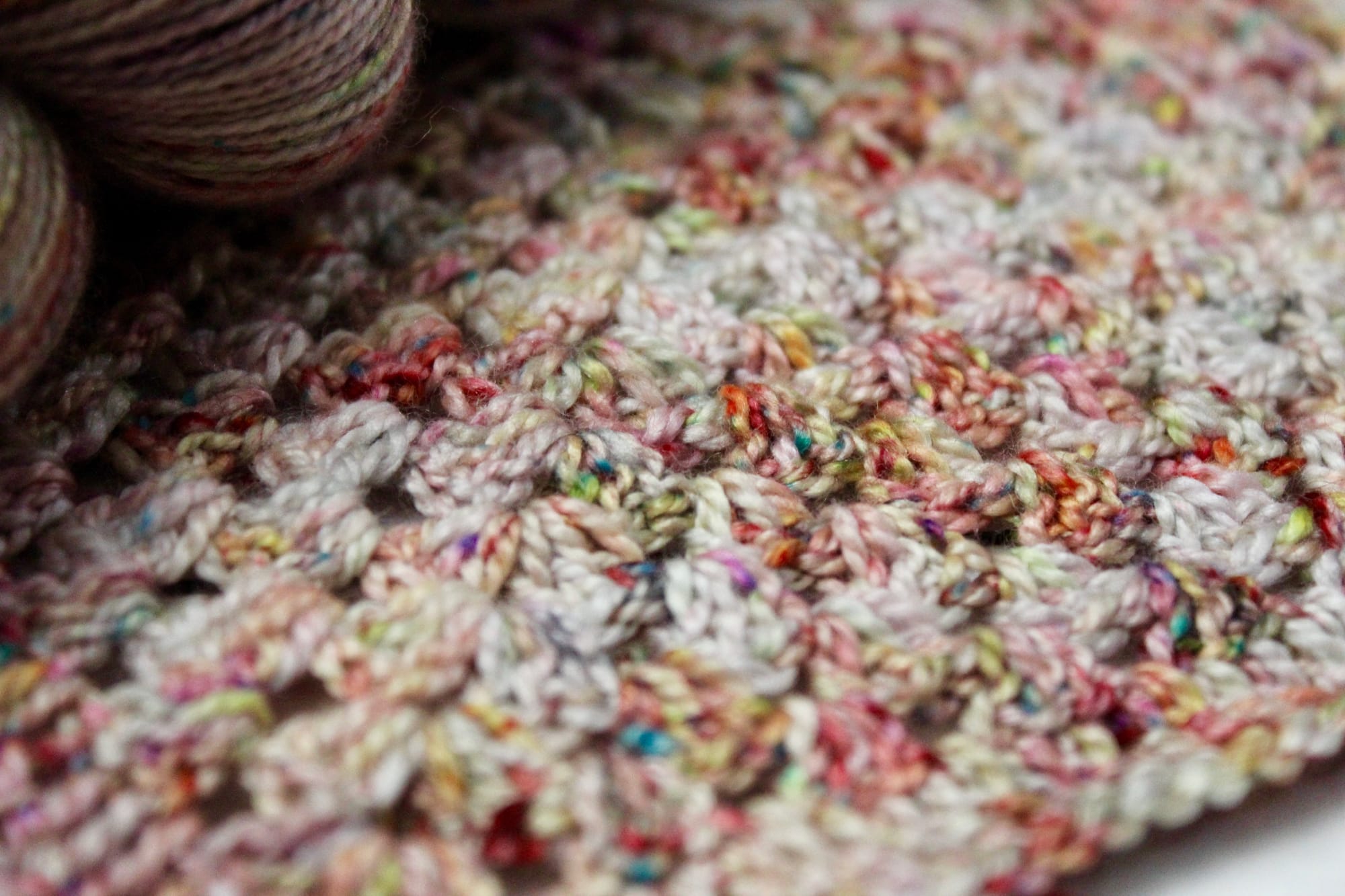
Can you share why you rebranded from Adella’s Crochet Cottage to LolaBean Yarn Co.?
I initially started out as Adella’s Crochet Cottage. I wasn’t very much into showing myself. A lot of times people see black makers and think inferior product or that they can haggle with your prices. It’s always been a thing. So, the more yarn I show you, the less me I show you. I should be safe, right? You continue to buy from me. You will continue to pay my prices. You know, I’m charging the same as everyone else. I did that for a very long time until I had my daughter in 2016. And I’m looking at this little butterball of a baby. The most beautiful thing I’ve ever seen in my entire life, and I thought that I’m not doing enough to make the world better for her. I’m looking around at what’s happening, and not just racism, but how our friends in the LGBTQ community are being treated and people are still being killed by police. It was just horrible. And I wanted to do something because I brought this baby into the world who did not ask to be a part of it. That’s when I rebranded and became LolaBean because my daughter’s name is Lola.
Tell us about your work as an activist for social justice through your business.
I started to become more vocal in 2016 and 2017 and show my face. I learned that you can be an activist through crafting. You can raise money with crafting for organizations that are fighting for social justice and trying to make the world fair for everyone. You can do this with your craft. And then, we moved into 2019, 2020. Now, my business was on a pretty solid trajectory. I was growing at a very healthy pace, a pace that I could control, and I wasn’t overworked. And then George Floyd was murdered.
There’s an expression my grandmother used to use, “turning sh*t into sugar.” This horrible thing happened, and we can’t change it. We can’t bring him back. The best way to honor those who are no longer with us is to take care of the ones left behind. And that’s what I try to do.
Whenever something really traumatic happens in the black community, this wave of support comes at you all at once. People were looking for black small business owners to support and amplify. So that’s when my business really started to pick up. And at first, I felt really guilty about it because this man died. But then I realized that we couldn’t let it be in vain. I have all these eyes on me; we’re going to take this opportunity to spread our message and what LolaBean Yarn Company stands for, what we believe in, what we feel is right, what we feel is wrong. And we’re also going to use this opportunity to make as much money as we can, not just to grow our business, but to donate to different organizations that are helping people, whether it be Everytown for Gun Safety, the Black Mental Health Alliance, the National Black Doulas Association, the Trevor Project, the Black Trans Women Collective. You can do that with all of this attention so that you don’t feel that guilt: ‘Oh, my gosh, I’m making all of this money, because someone was murdered.’
There’s an expression my grandmother used to use, “turning sh*t into sugar.” This horrible thing happened, and we can’t change it. We can’t bring him back. The best way to honor those who are no longer with us is to take care of the ones left behind. And that’s what I try to do.
What do you think about your success?
It’s a blessing, especially with the circumstances under which I grew up. After my mom retired from the military, we fell on hard times. I’m talking food stamps, government assistance. We were in homeless shelters for a little while. And then she was able to get the assistance she needed and just worked her way up. She started taking classes, wound up getting a degree. We were able to move into our own apartment, which was really exciting when you’re dealing with homeless shelters and stuff like that. I know what it’s like to be without. I know what it’s like to struggle. I never imagined that I would ever have my own business, let alone like a yarn-dyeing business.
Where I come from, you grow up, maybe you go to college, maybe you get a job that helps you pay your rent, maybe you have a kid or two. And that’s as far as it goes. I really didn’t think that my business or I would have that big of an impact on so many people. I never dreamed it. I feel very grateful. I feel very blessed and fortunate. But there’s still that part of me that’s thinking, ‘Do you deserve this? You’re just like this kid that grew up in the Bronx. And why are people listening to you, and why do they buy it?’ It’s imposter syndrome and an internal struggle.
What resources did you use to learn how to dye yarn?
Most a lot of the information I got was from YouTube. The science of dyeing I got from YouTube and from the book, “Hand Dyeing Yarn and Fleece: Custom-Color Your Favorite Fibers with Dip-Dyeing, Hand-Painting, Tie-Dyeing, and Other Creative Techniques” by Gail Callahan. Choosing the colorways for my yarn came from experimenting with colors and not taking myself too seriously.
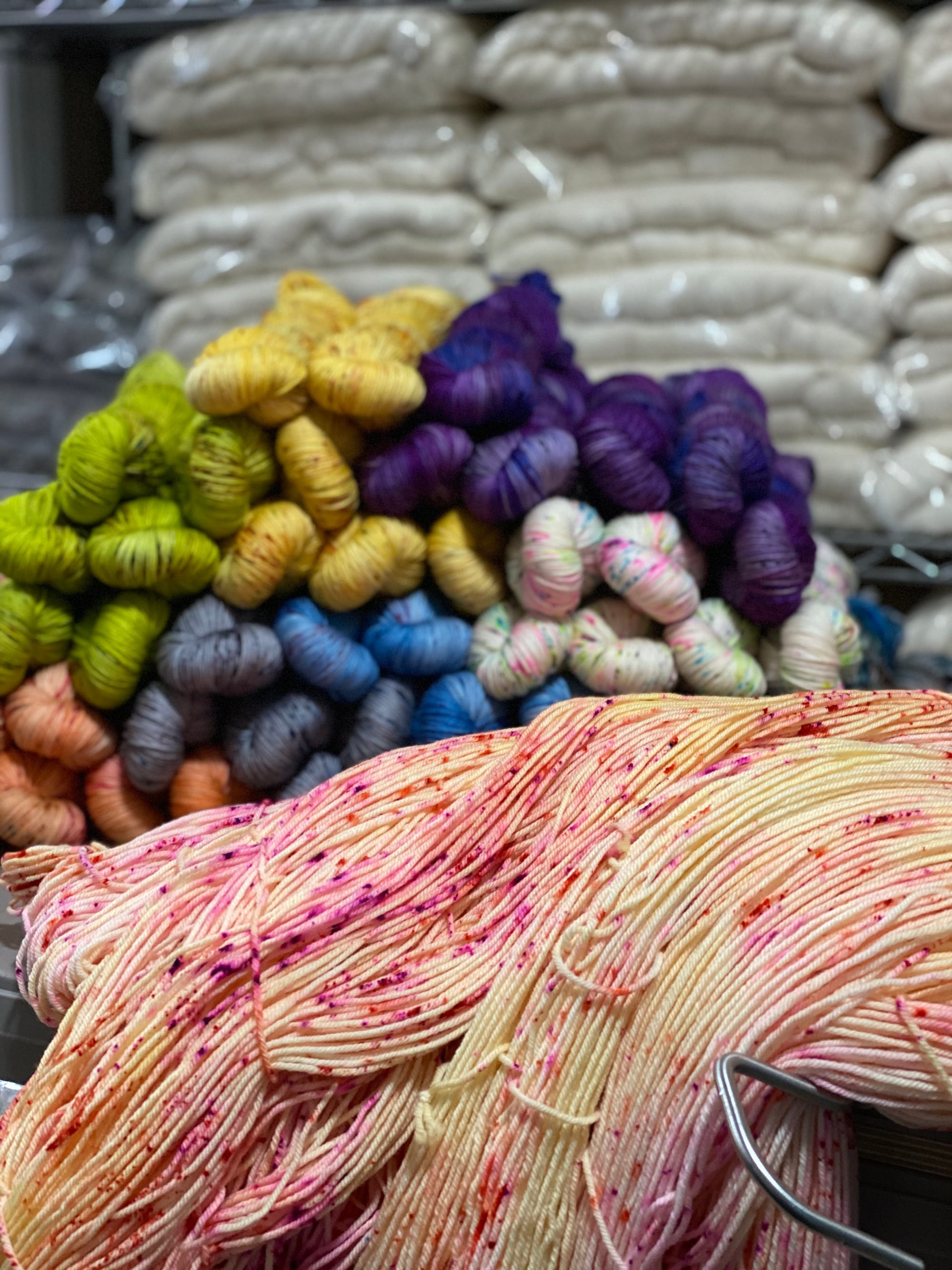
What’s your advice for people who are new to dyeing yarn?
Just try things out. Don’t be afraid to mess up because you’re going to burn yarn. You’re going to make yarn that looks like mud. I’ve done that. There are so many things you’re going to do wrong, but it’s all going to take you in the right direction.
Some would say that, from a business perspective, the hand-dyed yarn market is overcrowded. What are your thoughts?
A rising tide lifts all boats, right? The thing I have always done, and I’m talking about before I even jumped into dyeing, was talk about other people. You see all these paid influencers doing unboxing. I was doing unboxing not because anybody was paying me to, but because I love the art and craft so much. Let’s say I went to a fiber festival and bought some yarn. I get so ecstatic about the yarn that I would go live, talk about the company, and take you through my journey of making something with the yarn. People would have the mentality that talking about someone else will take a sale away from you. It’s quite the opposite. When people see that you are community-minded and centered, when people see that you are willing to share information, when you are willing to take some of the spotlight off yourself and shine it on somebody else, people are going to love that, and they are going to support you monetarily. They’re going to support you when you start fundraisers and try to raise money for different organizations because they’re going to see that you’re not only centered on you. For the most part, I’ve never seen people get mad at somebody for being nice. I understand the scarcity mindset, but it’s not something I’ve ever felt, largely because of my mom.
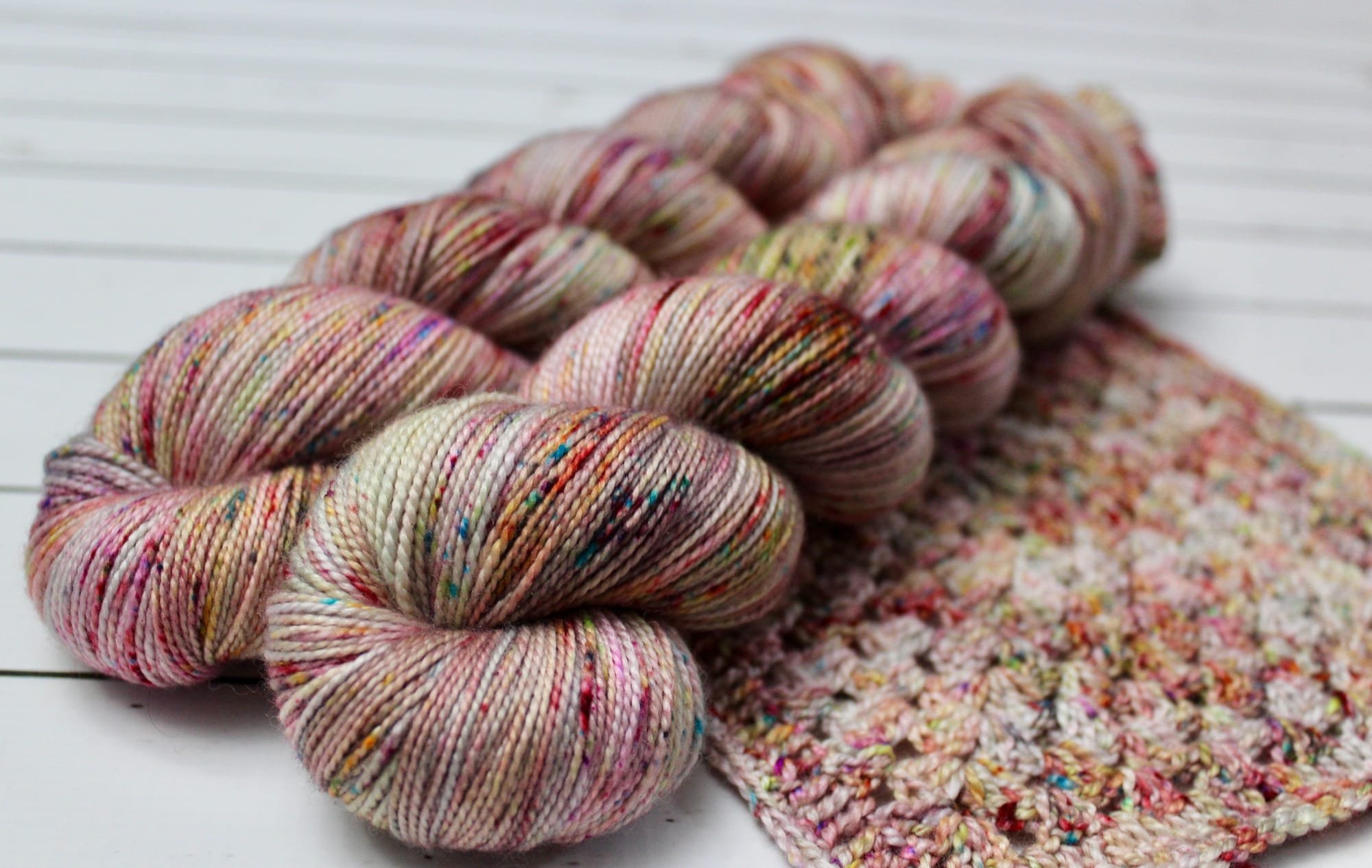
Tell us more about your mom’s influence on you.
When you’ve been on Section 8, on food stamps, you know what it feels like to go without. You know how awful it can feel. Maybe your jeans really don’t fit, but you have to wear them because you don’t have anything else. And kids at school are making fun of you because of that. I hate those feelings, and I hate to see other people struggle. I hate to see other people go without, especially when there are means to help people. It literally pains me.
My mom came from humble beginnings: seven siblings, a two-bedroom apartment in the South Bronx, poorest congressional district in the United States, back in the sixties and seventies. Heroine drugs—you know, all of those things were running rampant. Then you start moving into the eighties, and you’re talking about the HIV and AIDS epidemic, the crack epidemic. She’s seen all of those things. And once she was able to get on her feet after leaving the military without resources, she started going to school and became an LPN. Then it turned into a bachelor’s degree, and then it turned into a master’s degree, and then it turned into all of these different certifications. She has been offered jobs with very high salaries, which she declined. She will not leave the South Bronx, where she teaches people. She taught students for so long who were coming into the country, and her heart was in helping people in the same community where she grew up to help them make it and be okay. And she instilled a lot of that in me and in my brother.
Editor's Note: Adella's beloved mother passed away in 2024.
What is Jimmy’s role in your business?
He has his own career, a 9-5 job. But after work, he calls me to ask if I need help with anything like washing pans or labeling. And he’ll come to my dye studio, and he’ll jump in. He teaches me how be a little more measured in my approach. Sometimes when I am passionate about something, it’s hard to rein me in. So, he’s really good at that. But Jimmy’s also very confident in who he is and what his place in my world is. And because of that, he’s always so supportive. Wherever I need him, whatever I need. You might have some partners who know what you do. They understand what you do. They care, but it’s not that big of a thing for them. Jimmy’s learned to knit to see first-hand how people work with my yarn.
"Without art, this world would be sh*t. Art is what got people through the first days of the pandemic. If it wasn't for art, we wouldn't have made it."
What does his support mean to you?
When people ask, ‘What is it that you do for a living?’ And you say, ‘Independent yarn dyer.’ You know that people don’t take art as seriously as they should. I don’t think people understand that, without art, this world would be sh*t. Art is what got people—those who were fortunate enough—to get through the first days of the pandemic. It was art. It was music. It was the art of cooking, learning to bake bread. Michelle Obama talks about how she learned to knit. If it wasn’t for art, we wouldn’t have made it. And I don’t think people understand that. My husband always saw and appreciated my business. He never downplayed it. He never belittled me. And that was instrumental in my continuing to grow the business.
Thanks, Adella! You can learn more about LolaBean Yarn Co. and purchase yarn at lolabeanyarnco.com.
Editor's Note: Unless indicated in photo credit, photos by LolaBean Yarn Co. and provided courtesy of the company.